
Wang Rong
| FAMILY | |
|---|---|
| Spouse | |
| Children | |

Biography & Historical Record
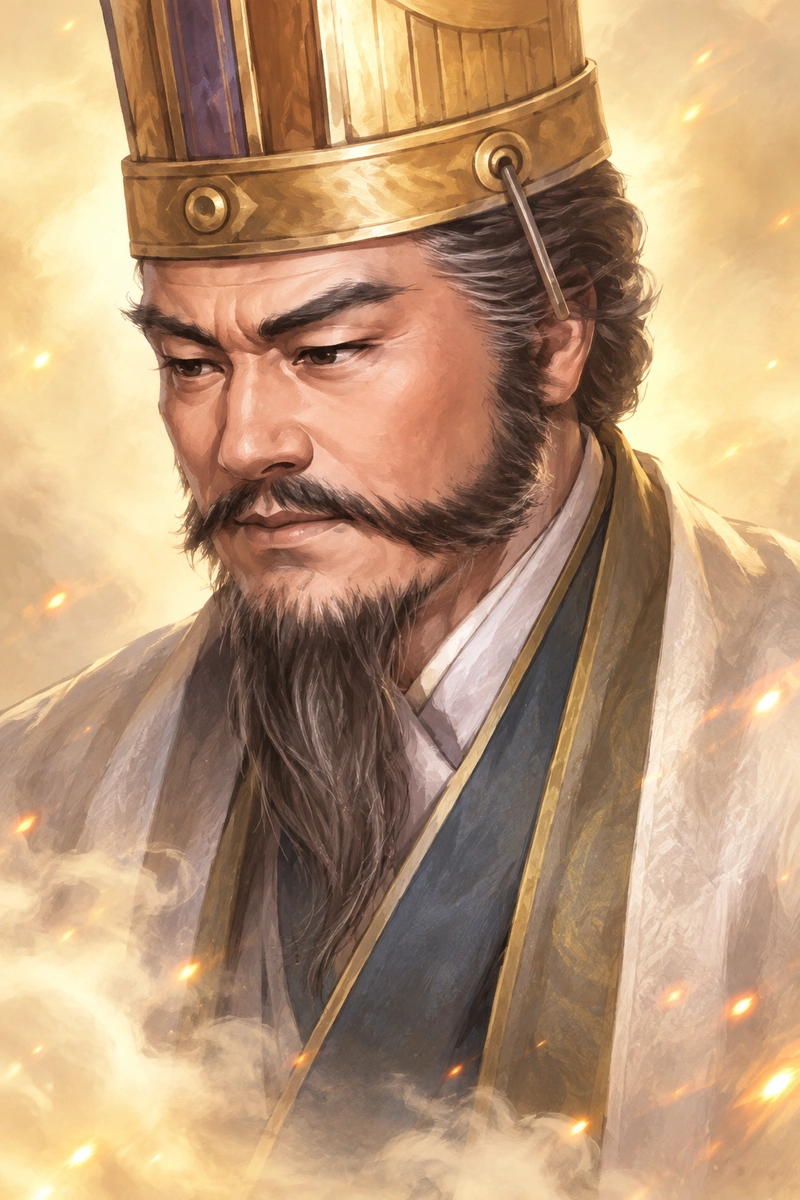
Wang Rong (王融, Vương Dung) was an esteemed Han Dynasty scholar, gentleman, and foundational patriarch of the illustrious Langya Wang clan (琅邪临沂王氏). Hailing from Linyi, Langya Commandery, Wang Rong was descended from the Western Han imperial censor Wang Ji (王吉). Renowned for his pure Confucian virtues, upright conduct, and adherence to ancestral ritual, he chose to remain aloof from the corrupt court politics dominated by eunuchs and external imperial in-laws during the twilight of the Eastern Han.
Wang Rong contracted two notable marriages: his first wife, Lady Xue (薛氏), gave birth to his elder son Wang Xiang (王祥, Vương Tường — the immortal paragon of filial piety who attained the rank of Grand Tutor and Duke of Suiping in Western Jin). Following Lady Xue’s untimely death, Wang Rong married Lady Zhu (朱氏), who bore his younger son Wang Lan (王览, Vương Lãm — Zongzheng of Western Jin). Through his profound moral instruction, Wang Rong cultivated a household whose filial devotion and fraternal love became a national legend, laying the bedrock for the Langya Wangs to become the paramount aristocratic house of medieval China.
Role in Romance & Historical Chronicles
“Wang Rong of Langya nurtured his household with classical propriety and moral discipline. Though family strife arose between his wives and sons, his household produced Wang Xiang and Wang Lan, whose fraternal devotion illuminated the annals of the realm.”
— Book of Jin (Jin Shu), Biographies of Filial and Virtuous Officials
In historical and folkloric narratives such as The Twenty-Four Filial Exemplars (Ershi-si Xiao), Wang Rong is revered as the dignified father whose household weathered the bitter cold of winter and the crucible of family misunderstanding, ultimately triumphing through filial virtue that moved both nature and heaven.
Wang Rong (王融) — Historical Timeline
Scholarly Heritage of Langya
Born into the gentry lineage of Linyi; devotes his youth to the study of the Confucian Classics and ancestral rituals.
Birth of Wang Xiang and Wang Lan
Fathers Wang Xiang through Lady Xue, and later Wang Lan through Lady Zhu; instills in his sons rigorous scholarly training.
Patriarchal Legacy
Passes away in Langya; his sons Wang Xiang and Wang Lan observe the full three-year mourning rites, earning renown across northern China.
Key Relationships
Family
- Eldest Son: Wang Xiang (王祥, Vương Tường) — Grand Tutor of Western Jin and legendary paragon of filial piety.
- Son: Wang Lan (王览, Vương Lãm) — Zongzheng of Western Jin and ancestor of Wang Xizhi.
- First Wife: Lady Xue (薛氏, Tiết thị) — Biological mother of Wang Xiang.
- Second Wife: Lady Zhu (朱氏, Chu thị) — Mother of Wang Lan.
- Grandsons: Wang Lie (王烈), Wang Fen (王芬), Wang Zhao (王昭), Wang Xia (王瑕), Wang Fu (王副).
Friends / Allies
- Langya Gentry: Leading scholarly clans of southern Shandong who preserved Han cultural heritage amidst warlord strife.
Enemies / Rivals
- Corrupt Imperial Eunuchs: Factions whose decadence prompted noble scholars to withdraw from central politics.
Other
- Ancestral Lineage: Great-grandson of Han Imperial Censor Wang Ji, and direct patriarch of the Jin prime ministers Wang Dao and Wang Dun.
In Chronicles
Book of Jin (Jin Shu)
- Wang Rong (王融, Vương Dung): Documented in Volume 33 (Biographies of Wang Xiang and Wang Lan) as the father whose lineage gave birth to the foremost ministers of the Jin Dynasty.
In History
Summary
- Wang Rong (王融) was a late Eastern Han scholar of Langya and the father of Grand Tutor Wang Xiang and Minister Wang Lan.
Historical Record
- Book of Jin (晋书), Volume 33: Explicit historical record detailing Wang Rong's marriages, lineage, and family governance.
COMMENTS (0)