

| NAME | |
|---|---|
| Chinese Name | 郭嘉, 郭嘉, Guō Jiā |
| Nickname | Superb Strategist of Wei |
| Other name | Quách Gia |
| Courtesy name | 奉孝, 奉孝, Fèngxiào, Feng Xiao, tự Phụng Hiếu |
| INFORMATION | |
| Born | 170 |
| Birth Place | Yangzhai County, Yingchuan Commandery (颍川郡阳翟县; huyện Dương Địch, quận Dĩnh Xuyên) |
| Died | 207 |
| Death Reason | Died of illness contracted during the northern military campaign (207 AD) |
| FAMILY | |
| Children | |
| Relatives | |
| CAREER | |
| Allegiance | Han Dynasty; Cao Wei |
| Battles | Campaign against Lu Bu, Battle of Guandu, Yuan clan pacification, Wuhuan expedition |


Biography & Historical Record
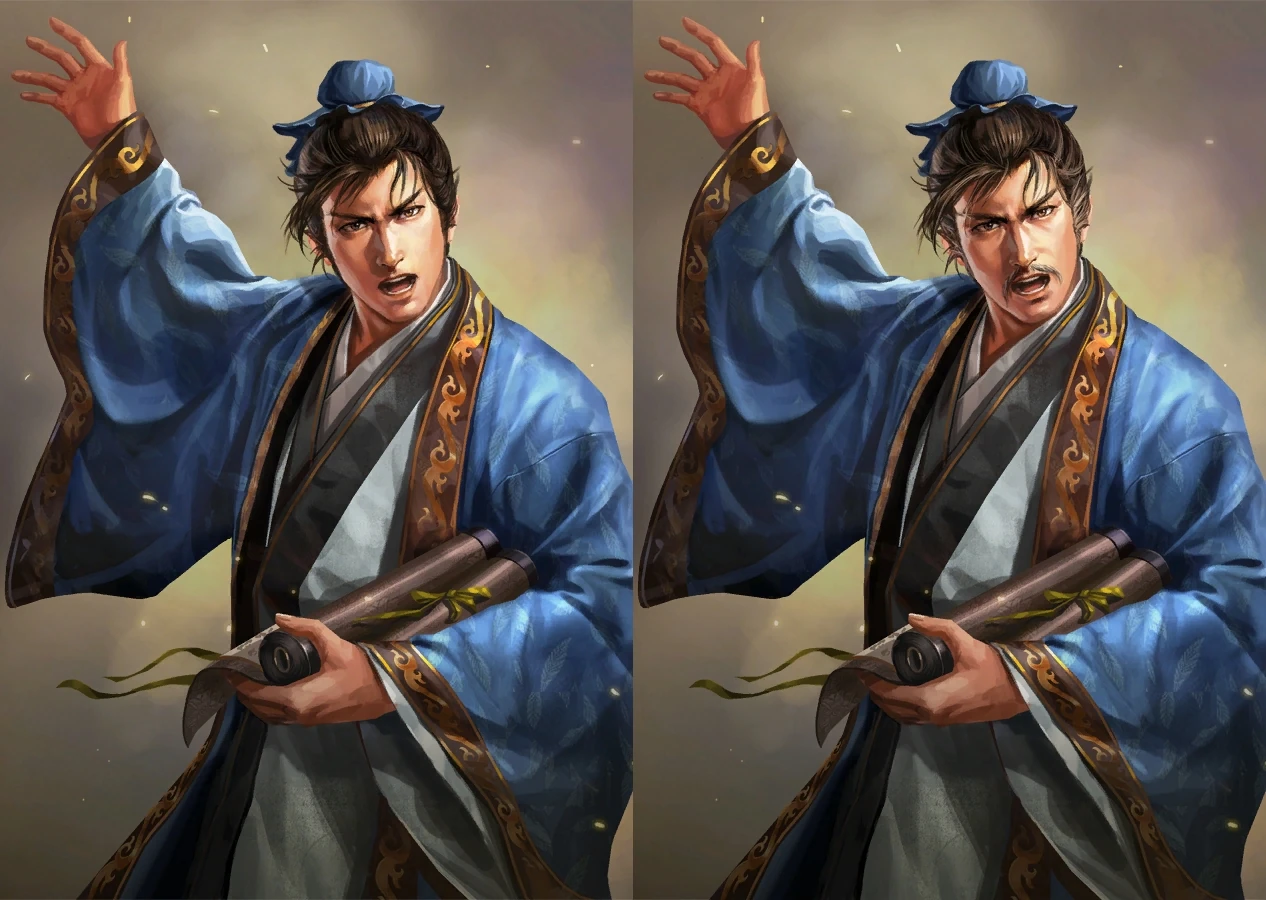
Guo Jia (郭嘉, Quách Gia), courtesy name Fengxiao (奉孝, Phụng Hiếu), was the most penetrating strategist in Cao Cao (曹操, Tào Tháo)’s inner circle during the late Eastern Han. A native of Yangzhai in Yingchuan Commandery, he was known for unconventional habits, frail health, and an almost supernatural ability to read rivals’ intentions. Recommended by Xun Yu (荀彧, Tuân Úc) in 196 AD, he quickly became Cao Cao’s most trusted military adviser — the lord famously calling him his “precious treasure.”
Historically, Guo Jia shaped nearly every major northern campaign: he urged the withdrawal from Xuzhou to recover Yanzhou, incited conflict between Liu Bei (刘备, Lưu Bị) and Lu Bu (吕布, Lã Bố), pushed the preemptive strike that flooded Xiapi, and supplied the psychological framework for victory at Guandu through his analysis of Yuan Shao (袁绍, Viên Thiệu)’s character flaws. He advised letting Yuan Tan and Yuan Shang destroy each other, supported the bold northern expedition against the Wuhuan in 207 AD, and died of illness on the return march at only thirty-seven. Cao Cao mourned him bitterly; after the disaster at Red Cliffs he lamented that had Fengxiao lived, the southern campaign might never have ended in catastrophe.
In Romance of the Three Kingdoms, Guo Jia embodies the “wisdom” pillar of Wei — a strategist whose plans rarely fail until death removes him from the narrative. His son Guo Yi (郭奕, Quách Dịch) appears in the infobox as his recorded heir.
Role in Romance of the Three Kingdoms
Chapter 16 (Cao Cao Defeats Yuan Shao at Guandu): Guo Jia delivers the celebrated Ten Victories and Ten Defeats speech, comparing Cao Cao’s leadership, discipline, and talent pool against Yuan Shao’s vanity and indecision — giving Cao Cao the morale to face a numerically superior enemy.
Chapters 18–19: Guo Jia urges the campaign against Lu Bu (吕布, Lã Bố), advises diverting the Si and Yi rivers to flood Xiapi, and helps secure the warlord’s capture and execution — eliminating a dangerous rival in the central plains.
Chapter 30: During the desperate Battle of Guandu, Guo Jia predicts that Sun Ce (孙策, Tôn Sách) will die at the hands of private retainers before he can strike Cao Cao’s rear — a prophecy that steadies the Wei camp.
Chapter 33 (Cao Cao Conquers the Wuhuan): Guo Jia insists on the lightning northern expedition across desert wastes, falls critically ill, dies at age thirty-seven, and leaves a sealed letter guiding the pacification of Liaodong. After Red Cliffs, Cao Cao weeps: “If I had Fengxiao, I would not have suffered such a defeat.”
Guo Jia (郭嘉) — Historical & Literary Timeline
Ch. 10 / 196 AD
Joining Cao Cao
Recommended by Xun Yu (荀彧, Tuân Úc); enters Cao Cao’s core advisory cabinet as Military Adviser.
Ch. 14 / c. 198 AD
Tiger-and-Wolf stratagem
Incites Liu Bei and Lu Bu (吕布, Lã Bố) to mutual destruction in Xuzhou.
Ch. 16 / 200 AD
Ten Victories at Guandu
Articulates the Ten Victories and Ten Defeats analysis before the decisive battle against Yuan Shao (袁绍, Viên Thiệu).
Ch. 19 / 198 AD
Fall of Xiapi
Advises river flooding to capture Lu Bu; consolidates Cao Cao’s hold on the central plains.
Ch. 32 / 202–206 AD
Yuan fratricide
Counsels letting Yuan Tan and Yuan Shang exhaust each other before Cao Cao moves on Hebei.
Ch. 33 / 207 AD
Death on the Wuhuan march
Urges the northern expedition; dies of illness; posthumous letter guides Liaodong pacification — his absence later blamed for Red Cliffs.
For detailed historical records, archives, and official chronicles, explore Guo Jia on Wikipedia.
Key Relationships
Family
- Son Guo Yi (郭奕, Quách Dịch): Recorded heir; served under Wei after Guo Jia’s death.
Friends
- Xun Yu (荀彧, Tuân Úc): Fellow Yingchuan scholar who recognized Guo Jia’s genius and recommended him to Cao Cao, initiating their legendary partnership.
- Xun You (荀攸, Tuân Du): Cao Cao’s other premier tactician; served alongside Guo Jia in the Wei advisory corps.
- Cheng Yu (程昱, Trình Dục): Veteran adviser who shared counsel with Guo Jia during the northern campaigns.
Enemies
- Yuan Shao (袁绍, Viên Thiệu): Primary northern rival whose ten character flaws Guo Jia dissected in the Ten Victories speech before Guandu.
- Lu Bu (吕布, Lã Bố): Warlord whose defeat at Xiapi was engineered by Guo Jia’s river-flooding stratagem.
- Yuan Shu (袁术, Viên Thuật): Huainan pretender targeted by Guo Jia’s elimination strategies.
- Wuhuan tribes: Nomadic allies of the Yuan remnants; subject of Guo Jia’s final northern expedition counsel.
Other
- Cao Cao (曹操, Tào Tháo): Lord and patron who treasured Guo Jia above all advisers and mourned his loss as irreplaceable after Red Cliffs.
- Liu Bei (刘备, Lưu Bị): Rival warlord whom Guo Jia repeatedly urged Cao Cao to destroy swiftly before he could grow into a lasting threat.
- Sun Ce (孙策, Tôn Sách): Jiangdong conqueror whose early death Guo Jia foretold during the Guandu crisis.
Appearance

In Novel
Chapter 10
- Guo Jia (郭嘉, Quách Gia): Brilliant strategist from Yingchuan, courtesy name Fengxiao (奉孝, Phụng Hiếu), recommended by Xun Yu (荀彧, Tuân Úc) to enter Cao Cao's (曹操, Tào Tháo) core advisory cabinet.
Chapter 11
- Guo Jia (郭嘉, Quách Gia): Advised Cao Cao to withdraw from Xuzhou and recover Yanzhou from Lu Bu (吕布, Lã Bố).
Chapter 14
- Guo Jia (郭嘉, Quách Gia): Formulated the Tiger-and-Wolf strategy to incite conflict between Liu Bei (刘备, Lưu Bị) and Lu Bu (吕布, Lã Bố) in Xuzhou.
Chapter 16
- Guo Jia (郭嘉, Quách Gia): Presented the famous Ten Victories and Ten Defeats analysis, proving Cao Cao's ultimate superiority over Yuan Shao (袁绍, Viên Thiệu) before the Battle of Guandu.
Chapter 17
- Guo Jia (郭嘉, Quách Gia): Devised strategies to eliminate Yuan Shu (袁术, Viên Thuật) in Huainan.
Chapter 18
- Guo Jia (郭嘉, Quách Gia): Encouraged Cao Cao to launch a preemptive campaign against Lu Bu (吕布, Lã Bố) before Yuan Shao could mobilize south.
Chapter 19
- Guo Jia (郭嘉, Quách Gia): Advised flooding Xiapi with the Si and Yi rivers, securing the capture and execution of Lu Bu (吕布, Lã Bố).
Chapter 21
- Guo Jia (郭嘉, Quách Gia): Cautioned Cao Cao against releasing Liu Bei (刘备, Lưu Bị) to intercept Yuan Shu, warning that Liu Bei would become a lasting threat.
Chapter 24
- Guo Jia (郭嘉, Quách Gia): Urged Cao Cao to swiftly destroy Liu Bei in Xuzhou before Yuan Shao could intervene from the north.
Chapter 30
- Guo Jia (郭嘉, Quách Gia): Predicted Sun Ce's (孙策, Tôn Sách) assassination by private retainers, reassuring Cao Cao during the desperate Battle of Guandu.
Chapter 32
- Guo Jia (郭嘉, Quách Gia): Advised allowing Yuan Tan (袁谭, Viên Đàm) and Yuan Shang (袁尚, Viên Thượng) to exhaust each other through fratricidal warfare in Hebei.
Chapter 33
- Guo Jia (郭嘉, Quách Gia): Urged the northern expedition against the Wuhuan tribes across desert wastes; fell critically ill and died at age thirty-seven, leaving a sealed letter that guided the pacification of Liaodong — after Red Cliffs, Cao Cao wept that had Fengxiao been alive he would never have suffered such a catastrophe.
In History
Summary
- Guo Jia (郭嘉, Quách Gia), courtesy name Fengxiao, was one of Cao Cao's most trusted military advisers. Known for penetrating analysis of rivals' psychology, he shaped the northern unification campaigns from Guandu through the Wuhuan expedition before dying of illness in 207 AD at approximately age thirty-seven.
Year: 196 AD
- Recommended by Xun Yu (荀彧, Tuân Úc); joined Cao Cao's staff and was appointed Military Adviser (军师).
Year: 198 AD
- Advised the campaign against Lu Bu (吕布, Lã Bố), including the river-flooding stratagem at Xiapi that led to Lu Bu's capture and execution.
Year: 200 AD
- Provided the Ten Comparisons analysis comparing Cao Cao's strengths against Yuan Shao's (袁绍, Viên Thiệu) weaknesses, bolstering morale before the Battle of Guandu.
Year: 202–206 AD
- Counselled exploiting the fratricidal conflict between Yuan Tan and Yuan Shang to pacify the Yuan clan in Hebei with minimal cost.
Year: 207 AD
- Supported the bold northern expedition against the Wuhuan who sheltered Yuan remnant forces; died of illness on the return march from Liaodong.
Historical Record
- Biographical notice in Sanguozhi, vol. 14 (魏书). Chen Shou praised Guo Jia's strategic insight; Pei Songzhi's annotations preserve anecdotes of his predictions. Cao Cao's lament after Red Cliffs — that Guo Jia's presence might have averted defeat — appears in the novel and popular tradition rather than the core chronicle.
Gallery







COMMENTS (0)