

| NAME | |
|---|---|
| Chinese Name | 徐庶, 徐庶, Xú Shù |
| Nickname | Strategist of Yingchuan |
| Other name | Từ Thứ |
| Courtesy name | 元直, 元直, Yuánzhí, Yuan Zhi, tự Nguyên Trực |
| INFORMATION | |
| Birth Place | Changshe County, Yingchuan Commandery (颍川郡长社县; huyện Trường Xã, quận Dĩnh Xuyên) |
| FAMILY | |
| Mother | |
| CAREER | |
| Allegiance | Liu Bei; Cao Wei |
| Battles | Battle of Fancheng (Eight Gates formation), Battle of Red Cliffs (silent observer) |

Biography & Historical Record
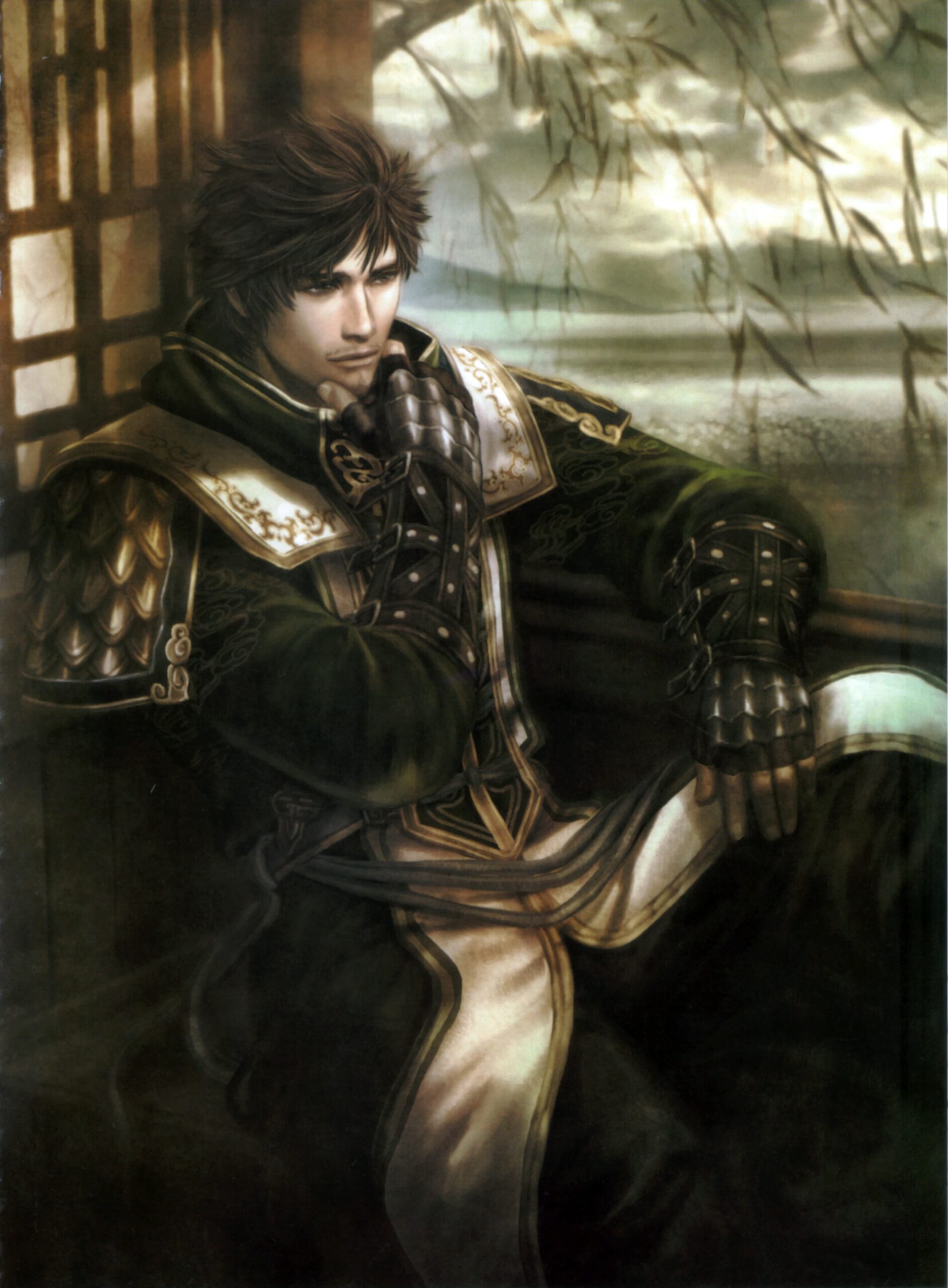
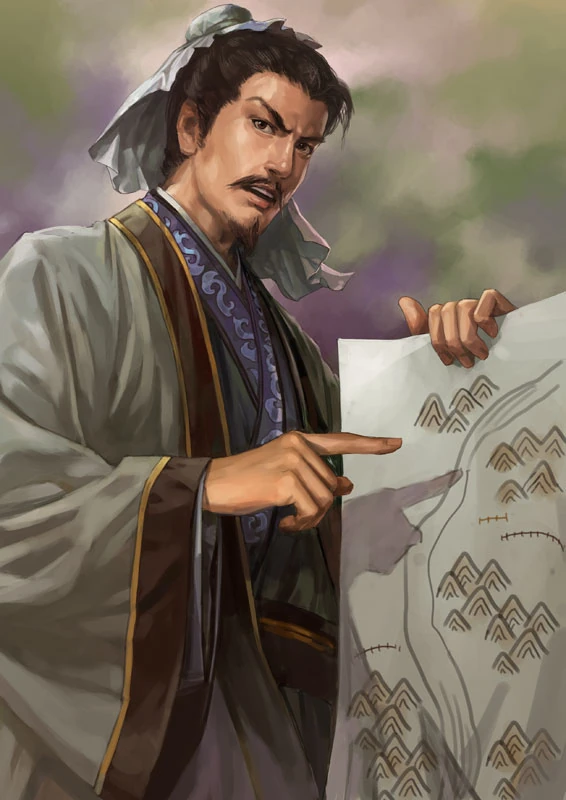
Xu Shu (徐庶, Từ Thứ), courtesy name Yuanzhi (元直, Nguyên Trực), was a Yingchuan scholar-strategist whose brief service under Liu Bei (刘备, Lưu Bị) at Xinye changed the course of the Three Kingdoms narrative. Originally a wandering swordsman who avenged a friend and later turned to the classics, he studied alongside Sima Hui (司马徽, Tư Mã Huy) and Zhuge Liang (诸葛亮, Gia Cát Lượng) in Jing Province. He joined Liu Bei under the alias Dan Fu (单福), quickly proving his worth as chief military adviser.
Historically, Xu Shu served Liu Bei in 208 AD, recommended Zhuge Liang, and entered Cao Cao (曹操, Tào Tháo)’s service after his mother’s capture — eventually rising to Central Palace Secretariat (中书郎). The novel dramatizes his departure as an act of supreme filial piety and integrity: though compelled to serve Wei, he famously refused ever to offer Cao Cao a single stratagem, earning the epithet of the “silent adviser.”
In Romance of the Three Kingdoms, Xu Shu is the bridge to the Sleeping Dragon. His victory over Cao Ren (曹仁, Tào Nhân) at Fancheng using the Eight Gates Golden Lock formation demonstrates his tactical brilliance; his tearful farewell and recommendation of Zhuge Liang in Chapter 37 is one of the epic’s most poignant turning points. Though his screen time is brief, no adviser in the novel changes Liu Bei’s fortunes more decisively.
Role in Romance of the Three Kingdoms
Chapter 35 (Xu Shu Recommends a Single Genius to Liu Bei): Xu Shu, using the alias Dan Fu, wins Liu Bei’s trust through a verbal challenge and becomes his primary strategist at Xinye.
Chapter 36 (Ma Su’s Advice; Xu Shu Seeks His Mother): Xu Shu deploys the Eight Gates formation to rout Cao Ren at Fancheng and defeat Lu Kuang and Lu Xiang — but Cao Cao forges a letter from Xu Shu’s captured mother, luring him to Xuchang. Before departing, he turns his horse back to recommend Zhuge Liang and swears: “Though I am in Cao’s camp, I will not utter a single word of strategy for him as long as I live.”
Chapter 47 (Iron Chains Linked; Pang Tong Proposes the Fire Attack): Serving silently under Cao Cao at the Battle of Red Cliffs, Xu Shu sees through Pang Tong’s chained-warship scheme and secretly obtains leave to guard Tong Pass — deliberately absenting himself from the impending fire catastrophe.
Xu Shu (徐庶) — Historical & Literary Timeline
Ch. 35 / 207 AD
Arrival at Xinye
Presents himself as Dan Fu; wins Liu Bei’s trust and becomes chief military strategist.
Ch. 36 / 208 AD
Victory at Fancheng
Defeats Cao Ren with the Eight Gates Golden Lock formation; Cao Cao captures Lady Xu and forges a summons letter.
Ch. 36–37 / 208 AD
Farewell & recommendation
Bids tearful farewell to Liu Bei; recommends Zhuge Liang (诸葛亮, Gia Cát Lượng) as his superior replacement before riding to Xuchang.
Ch. 39 / 208 AD
Silent service begins
Zhuge Liang’s Bowang victory confirms Xu Shu’s judgment; Xu Shu holds to his vow of silence in Cao Cao’s camp.
Ch. 47 / 208 AD
Red Cliffs absence
Recognizes Pang Tong’s iron-chain plot; obtains leave to guard Tong Pass, avoiding participation in the fire attack.
For detailed historical records, archives, and official chronicles, explore Xu Shu on Wikipedia.
Key Relationships
Family
- Mother Lady Xu (徐母, Từ Mẫu): Captured by Cao Cao (曹操, Tào Tháo) and used as leverage; in the novel she writes urging Xu Shu to serve Cao Cao for her sake, then commits suicide when she learns Cao Cao forged her letter — the catalyst for his departure from Liu Bei.
Friends
- Zhuge Liang (诸葛亮, Gia Cát Lượng): Close friend and fellow Jing Province scholar; Xu Shu famously recommended him to Liu Bei as a superior strategist before departing for Xuchang.
- Sima Hui (司马徽, Tư Mã Huy): Reclusive master scholar who shared intellectual circles with Xu Shu and Zhuge Liang in Jingzhou.
- Shi Tao (石韬, Thạch Tảo): Fellow disciple and friend in the Jing Province scholarly community.
Enemies
- Cao Ren (曹仁, Tào Nhân): Cao Cao’s general whom Xu Shu decisively defeated at Fancheng through the Eight Gates formation.
- Cao Cao (曹操, Tào Tháo): Warlord who orchestrated Lady Xu’s capture and forged the letter to compel Xu Shu’s defection; Xu Shu served him in name only, refusing all strategic counsel.
Other
- Liu Bei (刘备, Lưu Bị): Lord at Xinye; Xu Shu professionalized Liu Bei’s forces and won his first major tactical victories before filial duty forced his departure.
- Pang Tong (庞统, Bàng Thống): Strategist whose iron-chain warship scheme Xu Shu recognized at Red Cliffs, prompting his request to leave the battlefield.
- Liu Biao (刘表, Lưu Biểu): Jing Province governor under whose territory Xu Shu first entered Liu Bei’s service at Xinye.











In Novel
Chapter 35
- Xu Shu (徐庶, Từ Thứ): Yingchuan strategist, courtesy name Yuanzhi (元直), who adopted the alias Dan Fu (单福) and presented himself to Liu Bei (刘备, Lưu Bị) at Xinye, winning immediate respect as Liu Bei's chief military adviser.
Chapter 36
- Xu Shu (徐庶, Từ Thứ): Deployed the Eight Gates Golden Lock formation to rout Cao Ren (曹仁, Tào Nhân) at Fancheng and defeat Lu Kuang (吕旷, Lữ Khoáng) and Lu Xiang (吕翔, Lữ Tường); saw through Cao Ren's ambush but was lured to Xuchang by Cao Cao's (曹操, Tào Tháo) forged letter using his captured mother; upon departure turned his horse back to recommend Zhuge Liang (诸葛亮, Gia Cát Lượng) and swore never to devise a single stratagem for Cao Cao.
Chapter 37
- Xu Shu (徐庶, Từ Thứ): Arrived at Xuchang and was received by Cao Cao; his mother recognized the forged letter and, in the novel, committed suicide in shame — cementing Xu Shu's tragic separation from Liu Bei and his vow of silence.
Chapter 39
- Xu Shu (徐庶, Từ Thứ): Heard news of Zhuge Liang's (诸葛亮, Gia Cát Lượng) victory over Xiahou Dun (夏侯惇, Hạ Hầu Đôn) at Bowang Slope and lamented that Liu Bei now had a far superior adviser — confirming his own recommendation.
Chapter 40
- Xu Shu (徐庶, Từ Thứ): Remained in Cao Cao's camp in silence as Liu Bei (刘备, Lưu Bị) burned Xinye and led civilians southward ahead of Cao Cao's grand southern campaign.
Chapter 42
- Xu Shu (徐庶, Từ Thứ): Present in Cao Cao's retinue during the southern advance toward Jing Province while Liu Bei reorganized at Jiangxia and forged the Wu alliance.
Chapter 43
- Xu Shu (徐庶, Từ Thứ): Accompanied Cao Cao's army as it approached the Yangtze; his silence contrasted with the frantic war councils in Sun Quan's (孙权, Tôn Quyền) Chaisang court.
Chapter 45
- Xu Shu (徐庶, Từ Thứ): Observed Zhou Yu's (周瑜, Chu Du) and Zhuge Liang's allied preparations at Red Cliffs from the Wei camp without offering counsel.
Chapter 46
- Xu Shu (徐庶, Từ Thứ): Witnessed Cao Cao's chain-linking of warships on the Yangtze and Pang Tong's (庞统, Bàng Thống) recommendation of the iron-chain stratagem.
Chapter 47
- Xu Shu (徐庶, Từ Thứ): Saw through Pang Tong's iron-chain deception and secretly obtained leave from Cao Cao (曹操, Tào Tháo) to guard the northern passes at Tong Pass, deliberately absenting himself from the impending fire catastrophe at Red Cliffs.
Chapter 48
- Xu Shu (徐庶, Từ Thứ): Departed for Tong Pass as the allied fire attack on Cao Cao's fleet was set in motion — his absence a final act of loyalty to Liu Bei's cause.
Chapter 50
- Xu Shu (徐庶, Từ Thứ): Absent from the Red Cliffs rout; his earlier departure to Tong Pass spared him from witnessing Cao Cao's catastrophic defeat.
In History
Summary
- Xu Shu (徐庶, Từ Thứ), courtesy name Yuanzhi, was a real historical adviser who served Liu Bei (刘备, Lưu Bị) in Jing Province and later held office under Cao Cao and Wei. He recommended Zhuge Liang to Liu Bei — the single act for which history chiefly remembers him.
Year: c. 201–207 AD
- Associated with the Jing Province scholarly circle including Sima Hui (司马徽, Tư Mã Huy) and Zhuge Liang (诸葛亮, Gia Cát Lượng); earlier in life known for martial exploits before turning to classical study.
Year: 208 AD
- Served Liu Bei at Xinye; recommended Zhuge Liang; entered Cao Cao's service after his mother was captured by Cao Cao's forces — the novel dramatizes this as a forged-letter trap.
Year: Wei period
- Held the post of Central Palace Secretariat (中书郎) under Cao Wei; the historical record does not confirm the novel's vow of total silence, though later tradition celebrated his integrity.
Historical Record
- Biographical notice in Sanguozhi, vol. 35 (蜀书 — Zhuge Liang biography), which records Xu Shu's recommendation of Zhuge Liang to Liu Bei. Pei Songzhi cites multiple anecdotes. The Dan Fu alias, Eight Gates victory, forged letter, and Red Cliffs absence are novel inventions building on his reputation for filial piety and integrity.
Gallery
COMMENTS (0)