
Lady Zhu
| FAMILY | |
|---|---|
| Spouse | |
| Children | |
| Relatives | |

Biography & Historical Record
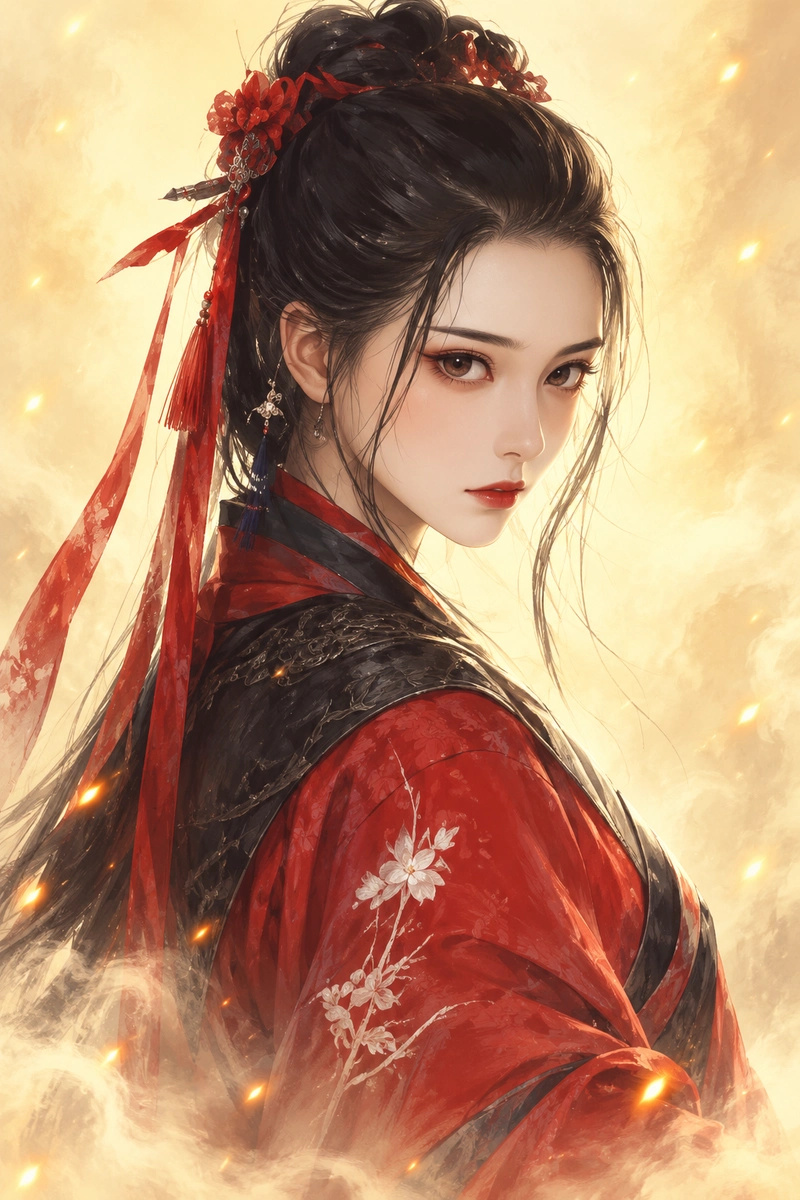
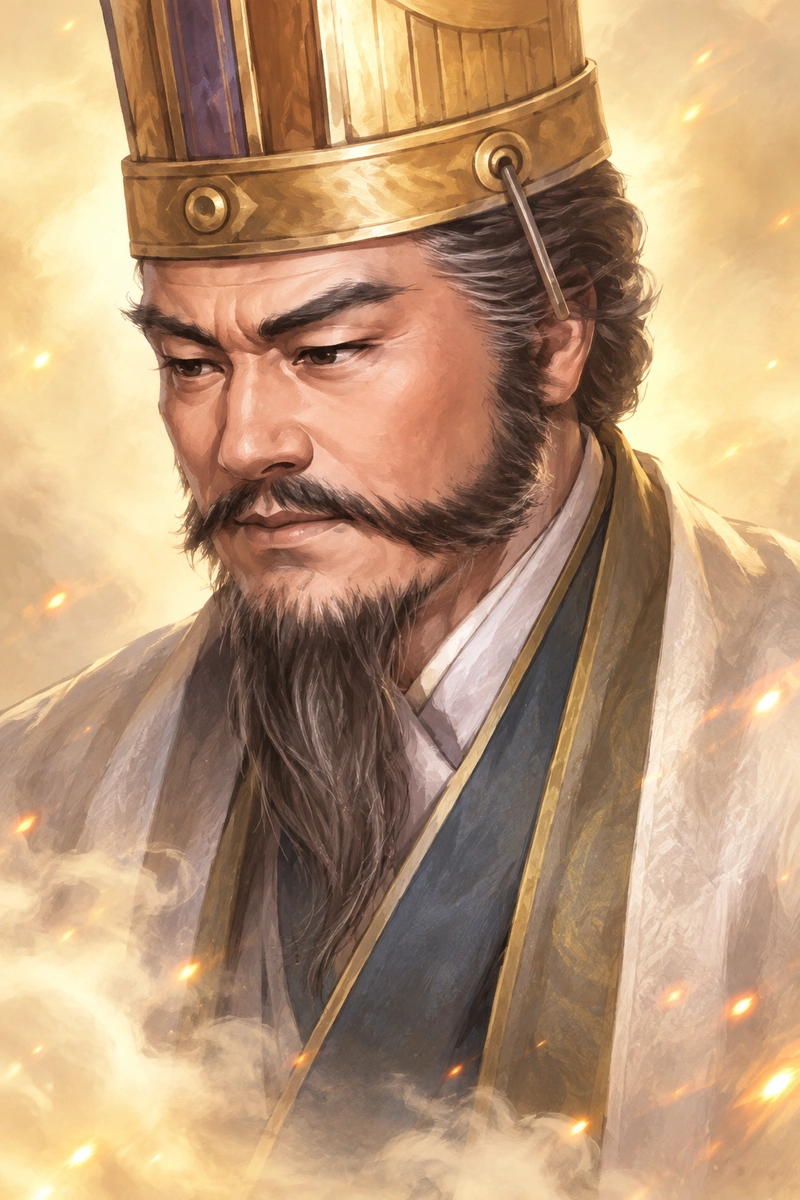
Lady Zhu (朱氏, Chu thị) was a high-ranking noblewoman of the late Eastern Han Dynasty and Cao Wei era, who became the second wife of patriarch Wang Rong (王融, Vương Dung) following the death of his first wife Lady Xue (薛氏). She was the biological mother of Wang Lan (王览, Vương Lãm) and the stepmother of Wang Xiang (王祥, Vương Tường).
In historical annals, Lady Zhu is famous for her initial harshness toward her stepson Wang Xiang, frequently slandering him before his father and imposing grueling physical labors upon him. However, despite her hostility, Wang Xiang responded with unwavering filial tenderness, nursing her through grave illnesses and procuring fresh carp from a frozen river when she craved fish. Furthermore, her own biological son, Wang Lan, fiercely defended his stepbrother, even attempting to drink poisoned wine that Lady Zhu had prepared for Wang Xiang. Deeply shaken and humbled by the boundless filial devotion of Wang Xiang and the pure fraternal love of Wang Lan, Lady Zhu experienced a profound moral awakening, transforming into an affectionate, benevolent mother who cherished both sons equally until her death.
Role in Romance & Historical Chronicles
“Stepmother Zhu treated Xiang with great cruelty, yet Xiang served her with increasing diligence. When Zhu fell ill and desired fresh fish in deep winter, Xiang stripped his robes to melt the ice, whereupon two carp leaped into his hands. Moved to tears by his piety and her son Lan’s righteousness, Lady Zhu wept with repentance and became a loving mother.”
— The Twenty-Four Filial Exemplars (Ershi-si Xiao) & Book of Jin
Lady Zhu represents one of the most famous figures of moral redemption in classical Chinese literature. Her story demonstrates the transcendent Confucian power of filial piety (*xiao*) and brotherly harmony (*ti*) to dissolve hatred and unite a fractured family.
Lady Zhu (朱氏) — Historical Timeline
Second Marriage to Wang Rong
Enters the Langya Wang manor as stepmother to young Wang Xiang; later gives birth to her biological son Wang Lan.
The Miracle of the Frozen River
Falls gravely ill and desires fresh fish; Wang Xiang melts the ice with his bare chest, moving nature and shaming her cruelty.
Peaceful Transformation and Mourning
Spends her later decades as a loving matriarch; upon her passing, Wang Xiang observes three years of strict filial mourning.
Key Relationships
Family
- Husband: Wang Rong (王融, Vương Dung) — Patriarch of the Langya Wang house.
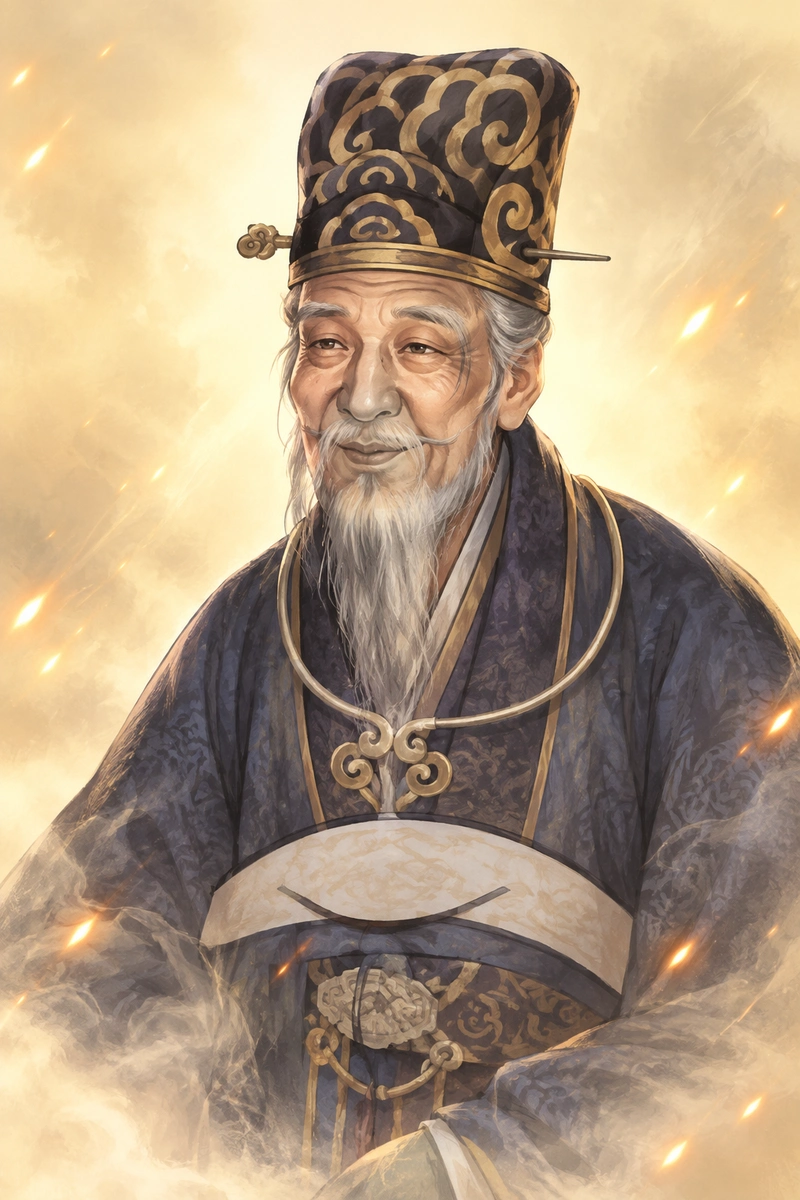
- Son: Wang Lan (王览, Vương Lãm) — Righteous younger son who protected his brother.
- Stepson: Wang Xiang (王祥, Vương Tường) — Filial exemplar who redeemed her through unconditional love.
- Co-Wife: Lady Xue (薛氏) — First wife of Wang Rong.
Friends / Allies
- Zhu Clan of Langya: Prominent regional gentry house of southern Shandong.
Enemies / Rivals
- Her Own Past Cruelty: Conquered through the miraculous virtue of her sons.
Other
- Cultural Legacy: Symbol of how sincere filial piety can soften even the hardest heart in Chinese Confucian morality.
In Literature
The Twenty-Four Filial Exemplars (Ershi-si Xiao)
- Lady Zhu (朱氏, Chu thị): Featured as the central catalyst in Story 18 ("Lying on Ice for Carp" / 卧冰求鲤), representing moral awakening through filial love.
In History
Summary
- Lady Zhu (朱氏) was stepmother to Wang Xiang and mother to Wang Lan, whose familial reconciliation became one of China's most celebrated ethical legends.
Historical Record
- Book of Jin (晋书), Volume 33: Full historical narrative of her domestic conduct, the intervention of Wang Lan, and her repentance.
COMMENTS (0)