

| NAME | |
|---|---|
| Chinese Name | 王府郡主, 王府郡主, Wángfǔ Jùnzhǔ |
| Other name | Vương phủ Quận chúa |
| INFORMATION | |
| Born | c. 1088 |
| Birth Place | Bianjing, Kaifeng (河南汴京开封; Biện Kinh Khai Phong, Hà Nam) |
| Died | c. 1112 |
| Death Reason | Illness from depression and marital resentment |
| FAMILY | |
| Spouse | |
| CAREER | |
| Allegiance | Song Imperial Clan / Water Margin Lore |
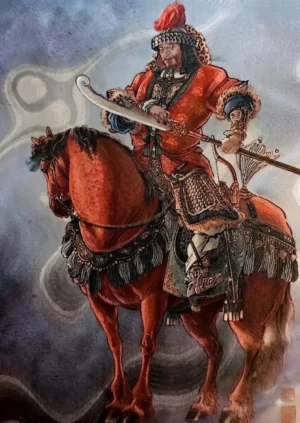
Princess of the Prince of Wang (王氏王妃, Vương thị Vương phi), was an esteemed imperial consort and princess in the imperial Han/Wei aristocratic lineage, renowned for exemplary domestic piety and patronage of cultural arts.
Presiding over princely palaces, she steered royal household affairs, ensuring classical education for royal heirs and fostering amicable alliances with neighboring ministerial lineages.
Role in Classical Annals
Book of the Later Han (Hou Hanshu): “Royal princesses and consorts managed the inner palaces with grace, serving as pillars of virtue for the realm.”
Princess of the Prince of Wang — Historical & Literary Timeline
Imperial China
Noble Marriage
Wed into the princely lineage of Wang with imperial honors.
Imperial China
Household Governance
Directs princely estates and charitable allocations.
Key Relationships
Family
- Spouse Prince of Wang (王氏诸王): Royal prince of the blood governing hereditary estates.
Friends
- Court Ladies Noble matrons of the capital: Exchanged ceremonial gifts and literary compositions.
Enemies
- Factional Intrigants Palace rivals seeking inheritance redistribution: Protected her sons’ succession rights.
Other
- Dynastic Scribes Imperial household records: Commemorated her benefactions.
In Imperial Records
"Her benevolence bathed the princely estates, harmonizing the halls in quiet dignity."
Historical Context
Royal consorts exercised subtle yet profound influence over princely finances and dynastic succession.
COMMENTS (0)