

| NAME | |
|---|---|
| Chinese Name | 陆瑁, 陸瑁, Lù Mào |
| Other name | Lục Mạo |
| Courtesy name | 子珪, 子珪, Zǐguī, Zi Gui, tự Tử Khuê |
| INFORMATION | |
| Birth Place | Wu County, Wu Commandery (吴郡吴县; huyện Ngô, quận Ngô) |
| Died | 239 |
| Death Reason | Died of illness while holding office |
| FAMILY | |
| Father | |
| Relatives | |
| CAREER | |
| Allegiance | Eastern Wu |
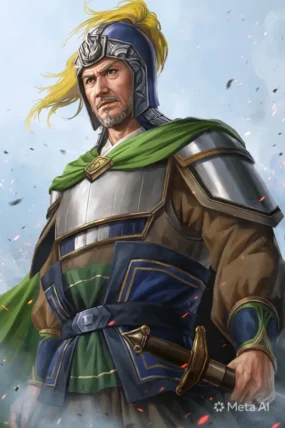


The Life of Lu Mao in Eastern Wu
Lu Mao (died 239 AD), courtesy name Zizhang, was a prominent scholar, essayist, and political figure of the Eastern Wu state during the turbulent Three Kingdoms period of China. He was the younger brother of the illustrious Wu Chancellor and military commander, Lu Xun.
Hailing from the prestigious Lu clan of Wu Commandery (centered around modern-day Suzhou, Jiangsu), he gained early renown for his deep filial piety, fraternal devotion, and profound scholarly achievements. While his elder brother followed a military and grand statecraft path, he dedicated much of his early life to academic pursuits, educating local talents, and preserving his family’s literary traditions.
When Sun Quan sought capable administrators to solidify his regime, Lu Mao was summoned to court. He served in several vital advisory positions, notably as an Imperial Clerk and later as a Palace Assistant Imperial Clerk. Highly regarded for his straightforward and incorruptible character, he offered candid, fearless remonstrances to Sun Quan. Throughout his civil career, he consistently advocated for agrarian rehabilitation, social benevolence, and the relief of common peasants strained by ceaseless wartime levies. In 239 AD, he passed away while serving in office, leaving behind an enduring reputation for moral integrity.
Role in Romance of the Three Kingdoms
In Luo Guanzhong’s historical novel Romance of the Three Kingdoms, the narrative predominantly highlights the dramatic military victories of Lu Xun. Nevertheless, the quiet administrative and moral contributions of Lu Mao reflect the critical domestic support provided by the Jiangdong aristocracy, which stabilized the southern court during decades of constant warfare.
Key Historical Relationships
- Lu Jun: Father and respected Han dynasty commandery administrator.
- Lu Xun: Elder brother, Grand Chancellor, and chief commander of Eastern Wu.
- Lu Kang: Nephew, who later became the supreme defender of the Wu realm.
- Sun Quan: Founding Emperor of Eastern Wu, who respected his upright counsel.
- Gu Yong & Zhang Zhao: Senior elder statesmen who deeply revered his Confucian morality.
In Novel
Chapter 51
- Lu Mao (陆瑁, Lục Mạo): Lu Mao is a member of the Lu family of Wu and is connected with the scholarly and political establishment of Jiangdong. He appears as a learned official rather than a battlefield commander.
In History
Family Background
- Lu Mao (陆瑁, Lục Mạo), courtesy name Zizhang, belonged to the prominent Lu family of Wu and was the younger brother of Lu Xun (陆逊, Lục Tốn).
Scholarship
- Lu Mao was known for his learning, moral character, and modest conduct. He was respected as a scholar rather than as a battlefield commander.
Service to Wu
- He held office under Sun Quan (孙权, Tôn Quyền) and participated in the civil administration of Eastern Wu. His reputation for integrity made him valuable to the court.
Historical Significance
- Lu Mao represents the scholarly side of the Lu family, complementing the military and strategic reputation of his elder brother Lu Xun.
COMMENTS (0)