
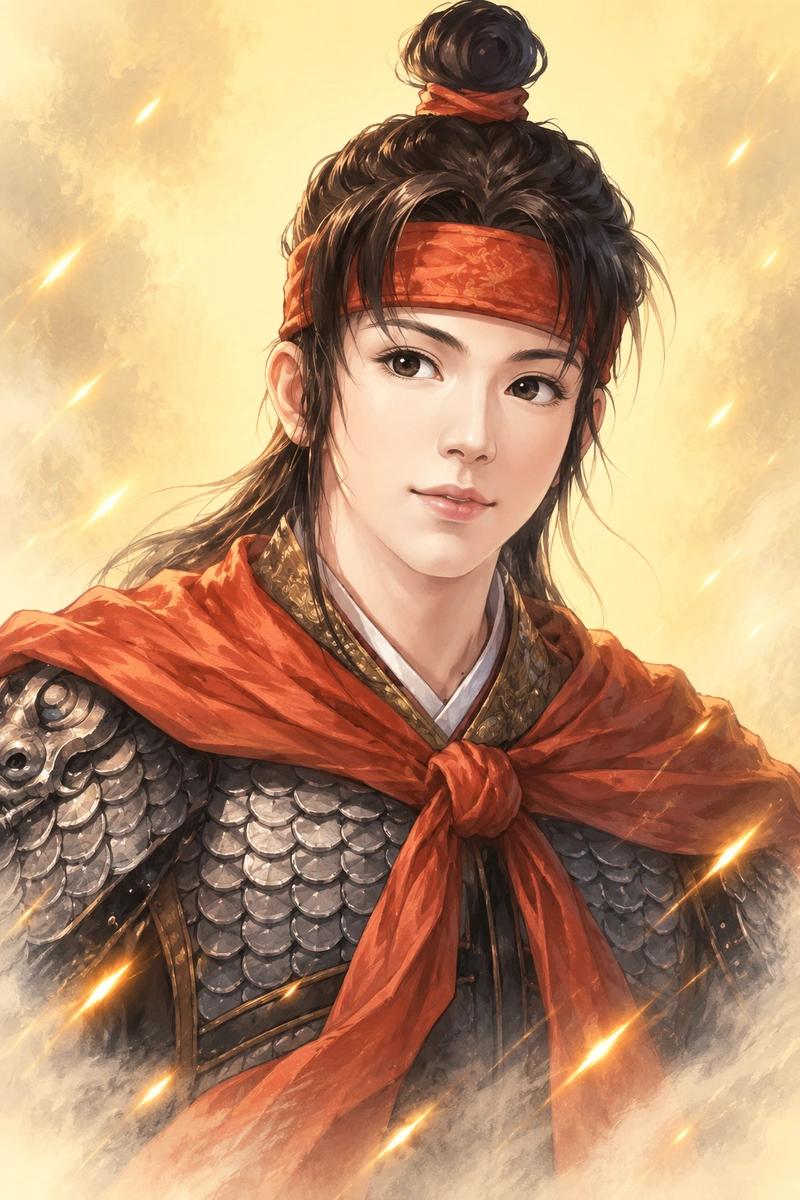
| NAME | |
|---|---|
| Chinese Name | 鲍员外, 鮑員外, Bào Yuánwài |
| Other name | Bào Viên ngoại |
| INFORMATION | |
| Born | c. 175 AD |
| Birth Place | Baojia Manor, Hebei (河北鲍家庄; Bào gia trang, Hà Bắc) |
| Died | c. 240 AD |
| Death Reason | Natural causes in old age |
| FAMILY | |
| Children | |
| Relatives | |
| CAREER | |
| Allegiance | Shu Han Lore / Hua Guansuo Lore |

Squire Bao (鲍太公, Bào Thái Công), was an affluent rural patriarch in Water Margin (Shuihu Zhuan), father of the terrifying hero Bao Xu (鲍旭, Bào Húc – ‘God of Death’ / 丧门神) of Mount Kumu (枯树山).
Residing in Northern Song estates, Squire Bao attempted to steer his violent and broadsword-wielding son toward an honest life. However, Bao Xu’s reckless martial temper led him to assemble outlaws on Mount Kumu before joining Li Kui, Jiao Ting, and Song Jiang at Mount Liangshan.
Role in Water Margin (Shuihu Zhuan)
Chapter 67 (Song Jiang Attacks Lingzhou; The God of Death Joins the Marsh): Mentions the lineage of Bao Xu from Squire Bao’s countryside hearth, whose uncontrollable prowess led him to become chieftain of Mount Kumu.
Squire Bao — Historical & Literary Timeline
Northern Song
Estate Patriarch
Manages family lands and attempts to restrain his son’s violent temper.
Northern Song
Son Becomes Outlaw
Witnesses Bao Xu depart to establish a stronghold at Mount Kumu.
Northern Song
Liangshan Connection
Bao Xu unites with Li Kui and joins Liangshan as a vanguard commander.
Key Relationships
Family
- Son Bao Xu (鲍旭, Bào Húc – God of Death): Fierce, two-handed broadsword warrior who later became Liangshan’s infantry commander.
Friends
- Local Gentry Elder lineage members of the Bao clan: Preserved the rural ancestral line.
Enemies
- Bandits & Marauders Regional raiding parties: Defended family estates against roving marauders.
Other
- Liangshan Comrade Li Kui (李逵): Close martial partner of his son Bao Xu during urban assaults.
In Water Margin
"Bao Xu loved nothing more than slaughtering men, wielding a heavy curved blade that struck fear into all hearts, heedless of his father's gentle admonitions."
Historical Context
Represents rural patriarchs unable to restrain turbulent sons during the fracturing social order of late Northern Song.
COMMENTS (0)