
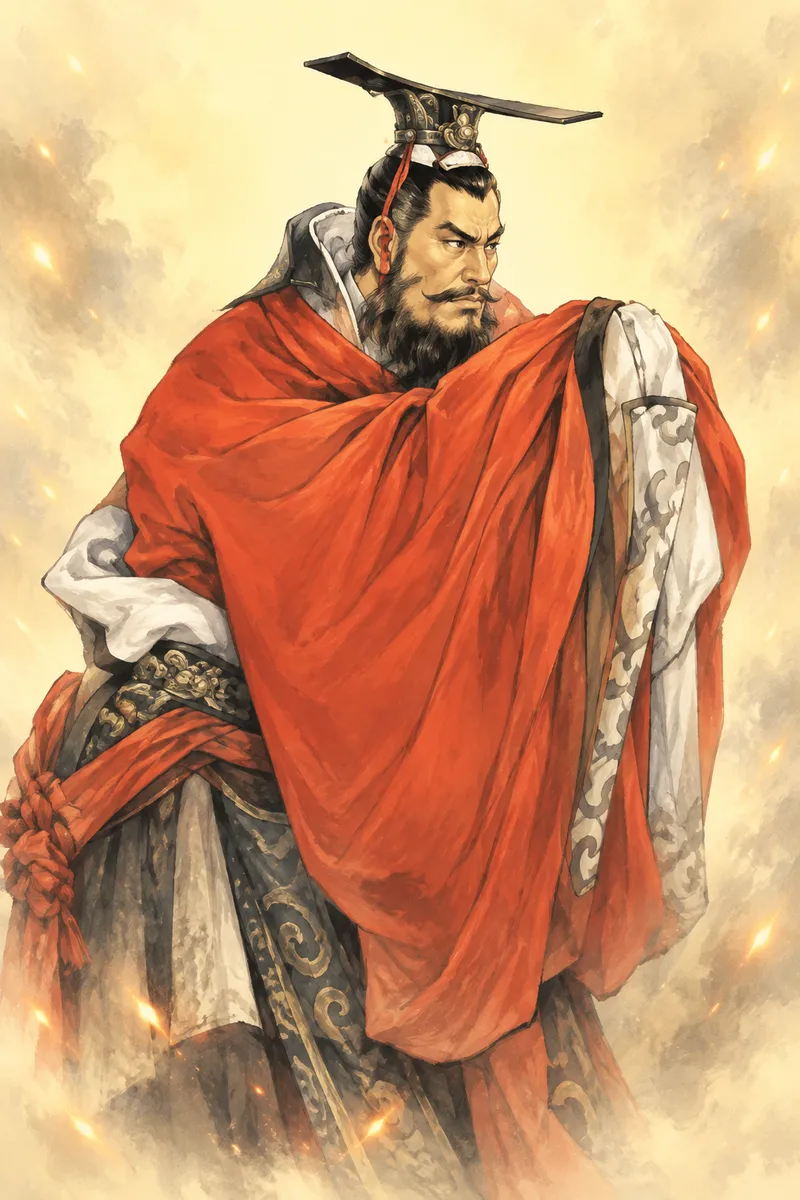
| NAME | |
|---|---|
| Chinese Name | 魏文侯, 魏文侯, Wèi Wén Hóu |
| Other name | Ngụy Văn Hầu |
| INFORMATION | |
| Born | 442 BC |
| Birth Place | Anyi, State of Wei (魏国安邑; An Ấp, nước Ngụy) |
| Died | 396 BC |
| Death Reason | Natural causes |
| FAMILY | |
| Children | |
| Relatives | |
| CAREER | |
| Allegiance | State of Wei (Warring States Period) |

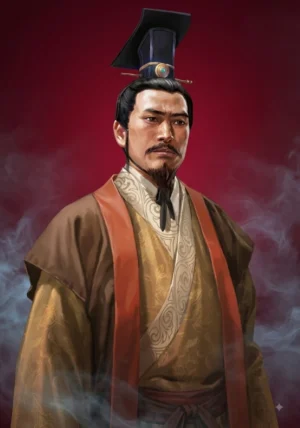
Marquis Wen of Wei (魏文侯, Ngụy Văn hầu; personal name Wei Si 魏斯; reigned 445–396 BC), was the founding monarch of the State of Wei during the Warring States period and one of the greatest state-builders in Chinese history.
Taking power during the Partition of Jin, Marquis Wen recognized that national survival required profound structural transformation. Embracing talent regardless of origin, he assembled an unmatched council of geniuses: he invited the Confucian master Zixia (子夏, disciple of Confucius) as state preceptor, appointed Li Kui (李悝) to execute comprehensive economic and legal reforms by authoring the *Fajing* (法经 — the first codified legal code in China), and commissioned Ximen Bao (西门豹) to govern Ye, where Ximen Bao famously banned human sacrifices to the River God and dug twelve canal networks.
Most decisively, Marquis Wen appointed supreme military strategist Wu Qi (吴起), who created the legendary *Wei Wuzu* (魏武卒 — elite armored infantry). Under Wu Qi’s command, Wei crushed the mighty State of Qin in seventy-six battles, seizing the strategic Hexi corridor (河西) and establishing Wei as the undisputed first superpower (baxian 霸先) of the Warring States era.
Role in History (Shiji & Zizhi Tongjian)
Records of the Grand Historian (Shiji, vol. 44, House of Wei): “Marquis Wen was eager for virtue and humble before sages. He bowed before Zixia, patronized Li Kui, and entrusted armies to Wu Qi. Across the Central Plains, no state dared contest Wei’s supremacy.”
Zizhi Tongjian (Comprehensive Mirror for Aid in Governance): Sima Guang opens his monumental chronicle in 403 BC with the formal recognition of Marquis Wen of Wei, Marquis Jing of Zhao, and Marquis Lie of Han as feudal lords by King Weilie of Zhou.
Marquis Wen of Wei — Historical & Literary Timeline
445 BC
Accession in Wei
Succeeds his father Wei Huanzi as head of the Wei clan in Jin.
c. 430s BC
Legal & Agrarian Reforms
Appoints Li Kui to enact the Fajing code and maximize land productivity.
c. 420s BC
Hexi Campaigns
Wu Qi trains the Wei Wuzu and expels Qin from Hexi, seizing Linjin and Luoyin.
403 BC
Formal Creation of the State of Wei
King Weilie of Zhou formally recognizes Marquis Wen as an independent feudal lord.
396 BC
Passing & Succession
Passes away after nearly half a century of rule, bequeathing a superpower to his son Marquis Wu.
Key Relationships
Family
- Son & Successor Marquis Wu of Wei (魏武侯, Ngụy Vũ hầu – Wei Ji): Succeeded Marquis Wen and maintained Wei’s military dominance.
- Grandson King Hui of Wei (魏惠王): First ruler of Wei to claim the royal title of King.
Friends
- Legalist Architect Li Kui (李悝, Lý Khôi): Chancellor who created the Fajing code and agricultural balance price systems.
- Supreme General Wu Qi (吴起, Ngô Khởi): Military genius who forged the Wei Wuzu and conquered Hexi from Qin.
- Irrigation Pioneer Ximen Bao (西门豹, Tây Môn Báo): Magistrate of Ye who abolished human sacrifice and built twelve canal networks.
- Confucian Preceptor Zixia (子夏, Tử Hạ): Direct disciple of Confucius who taught statecraft at the Wei court.
Enemies
- Defeated Rival State of Qin (Duke Ling and Duke Jian of Qin): Shattered by Wu Qi in Hexi and driven behind Mount Hua.
- Rival States State of Qi, State of Chu: Checked by Wei’s diplomatic coalitions.
Other
- Zhou Sovereign King Weilie of Zhou (周威烈王): Conferred official feudal lordship upon Wei in 403 BC.
In Shiji
The Humility before Sages
"When passing the dwelling of sage Duan Ganmu, Marquis Wen stood upright in his chariot to pay homage. His driver asked why; Marquis Wen replied: 'Duan Ganmu enriches the realm with virtue; I enrich it only with territory. How can a lord of land not revere a lord of virtue?!'"
Historical Significance
Marquis Wen's reign launched the Warring States period as a distinct historical epoch, pioneering institutional bureaucratic reforms that superseded the hereditary feudal aristocracy of the Spring and Autumn era.
COMMENTS (0)