
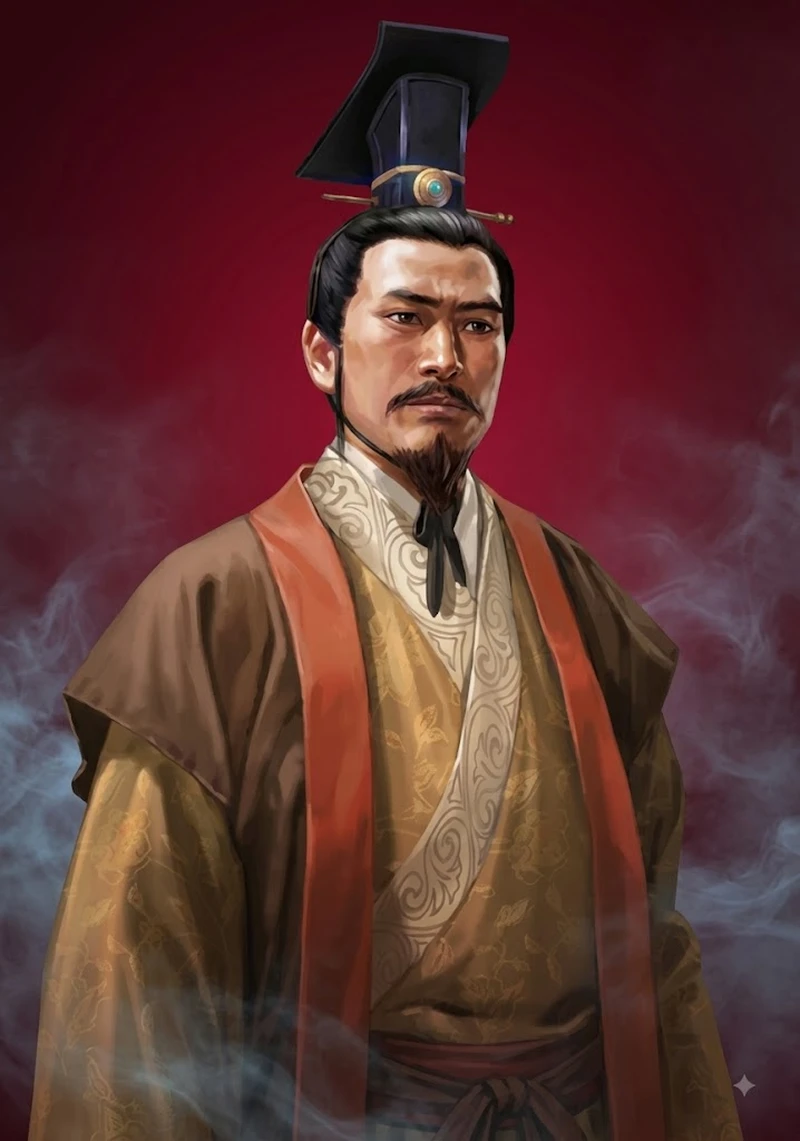
| NAME | |
|---|---|
| Chinese Name | 魏婴, 魏嬰, Wèi Yīng |
| Nickname | Marquis Hui of Wei (Wei Hui Wang) |
| Other name | Ngụy Oanh (Ngụy Huệ vương) |
| INFORMATION | |
| Born | 400 BC |
| Died | 319 BC |
| Death Reason | Natural causes |
| FAMILY | |
| Father | |
| Relatives | |
| CAREER | |
| Allegiance | State of Wei |
| Battles | Battle of Maling, Battle of Guiling |


Biography & Historical Record
Wei Ying (魏婴, Ngụy Oanh), historically known as Marquis Hui of Wei (Wei Hui Wang), was one of the most significant rulers of the State of Wei during the early Warring States period. He ascended to the throne following a succession struggle after the death of his father, Marquis Wu of Wei (魏武侯, Ngụy Vũ hầu). His reign marked both the peak and the subsequent decline of Wei’s hegemony over the Central Plains.
Known for his ambition, he moved the capital to Daliang (大梁, Đại Lương) in 361 BC to better project power and manage the fertile lands of the Yellow River valley. He famously hosted the scholar Mencius (孟子, Mạnh Tử), leading to the famous dialogues recorded in the Mencius, where the philosopher criticized the King’s preoccupation with profit over righteousness. Despite his efforts to centralize power and expand his borders, he suffered major military setbacks against the rising State of Qi (齐, Tề), most notably the catastrophic defeats at the Battle of Guiling (桂陵之战, Quế Lăng chi chiến) and the Battle of Maling (马陵之战, Mã Lăng chi chiến), where his legendary general Pang Juan (庞涓, Bàng Quyên) was killed by the strategist Sun Bin (孙膑, Tôn Tẫn).
Role in Romance of the Three Kingdoms
As a historical figure predating the Three Kingdoms period by centuries, Wei Ying does not appear as a character in Luo Guanzhong’s Romance of the Three Kingdoms. However, his era is frequently referenced by later strategists and warlords as a cautionary tale regarding the rise and fall of great powers, the importance of meritocracy, and the dangers of neglecting scholarly counsel.
Wei Ying — Historical & Literary Timeline
400 BC
Birth
Wei Ying is born into the ruling house of the State of Wei.
361 BC
Relocation of Capital
Moves the capital of Wei to Daliang to strengthen regional control.
354 BC
Battle of Guiling
Wei forces are defeated by the State of Qi, marking the beginning of Wei’s military decline.
341 BC
Battle of Maling
Decisive defeat against the State of Qi; the death of general Pang Juan (庞涓, Bàng Quyên) severely weakens Wei’s political stability.
319 BC
Death
Wei Ying passes away, succeeded by his son, King Xiang of Wei (魏襄王, Ngụy Tương vương).
For detailed historical records, archives, and official chronicles, explore Wei Ying (Wei Hui Wang) on Wikipedia.
Key Relationships
- Historical Mentors & Critics
- Mencius (孟子, Mạnh Tử): Engaged in deep philosophical dialogues regarding the virtue of governing and the dangers of pursuing personal profit.
- Military Commanders
- Pang Juan (庞涓, Bàng Quyên): The primary general and military advisor whose ambition and rivalry with Sun Bin (孙膑, Tôn Tẫn) ultimately led to Wei’s strategic downfall.
COMMENTS (0)