
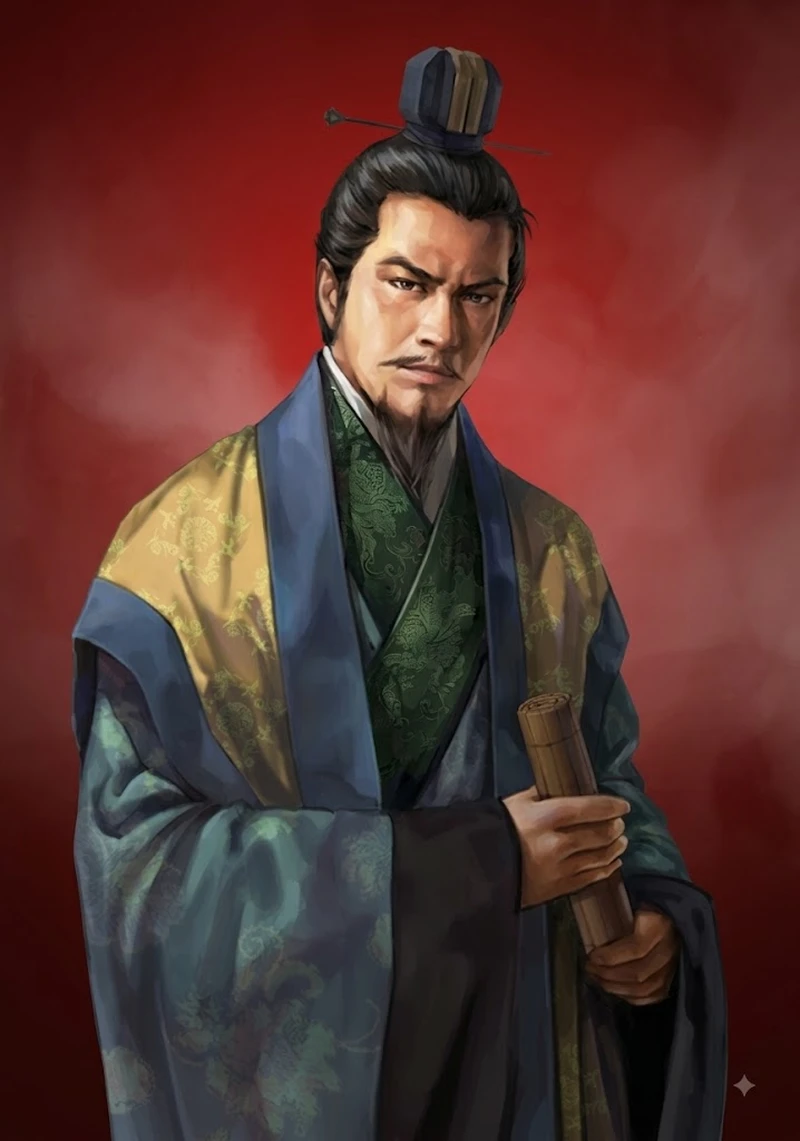
| NAME | |
|---|---|
| Chinese Name | 吴起, 吴起, Wú Qǐ |
| Nickname | Master Wu (吴子), Military Strategist of the Warring States |
| Other name | Ngô Khởi |
| INFORMATION | |
| Born | 440 BC |
| Birth Place | State of Wey (卫国; nước Vệ) |
| Died | 381 BC |
| Death Reason | Assassinated by nobles of the State of Chu during the funeral of King Dao of Chu. |
| CAREER | |
| Allegiance | State of Lu, State of Wei, State of Chu |
| Battles | Battle of Yinshui, Battle of Xiling |
Biography & Historical Record
Wu Qi (吴起, Ngô Khởi) was one of the most prominent military strategists, politicians, and reformers of the Warring States period. He is celebrated alongside Sun Tzu (孙武, Tôn Vũ) as one of the two greatest military theorists in ancient Chinese history. His life was defined by his relentless pursuit of meritocracy and legalistic reform.
Born in the State of Wey (卫, Vệ), Wu Qi spent his early life seeking positions. He served the State of Lu (鲁, Lỗ), where he defeated the powerful State of Qi (齐, Tề). However, due to political intrigue, he moved to the State of Wei (魏, Ngụy). Under the patronage of Marquis Wen of Wei (魏文侯, Ngụy Văn Hầu), he transformed the Wei army into the most formidable force of the era, notably creating the elite ‘Wuzu’ (武卒) infantry. His treatise, the Wuzi, remains a cornerstone of military philosophy, emphasizing that ‘victory depends on the unity of the people and the moral integrity of the commander.’
Later, he fled to the State of Chu (楚, Sở), where he served King Dao of Chu (楚悼王, Sở Điệu Vương). He launched sweeping reforms, cutting the salaries of parasitic nobles to fund the military. His success in strengthening Chu’s borders made him enemies among the aristocracy. Upon the death of King Dao, the nobles revolted and killed him. In a final ironic twist, Wu Qi threw himself over the King’s corpse; the arrows fired by his assassins pierced both his body and the King’s. By Chu law, striking the King’s body was a capital crime, and the subsequent execution of the rebellious nobles served as his final act of vengeance.
Role in Romance of the Three Kingdoms
While Wu Qi lived centuries before the Three Kingdoms period, his legend is frequently invoked by characters like Cao Cao (曹操, Tào Tháo) and Zhuge Liang (诸葛亮, Gia Cát Lượng) as a master of both statecraft and military discipline. He is revered as the archetype of the ‘ruthless reformer’ whose brilliance is often curtailed by the jealousy of the ruling class.
Wu Qi — Historical & Literary Timeline
440 BC
Birth and Early Life
Born in the State of Wey. Legend suggests he spent his family fortune to gain a political appointment before being mocked and forced to flee.
412 BC
Service in Lu
Commanded forces for the State of Lu and defeated the State of Qi at the Battle of Yinshui.
404 BC
Rise in Wei
Entered the service of Marquis Wen of Wei. He was appointed governor of X河 (Xihe), where he defended the frontier against the Qin (秦, Tần) for decades.
381 BC
The Death of a Reformer
Assassinated in Chu after the death of King Dao. The subsequent mass execution of the nobility effectively secured his political goals posthumously.
For detailed historical records, archives, and official chronicles, explore Wu Qi on Wikipedia.
Key Relationships
- Patrons and Sovereigns
- Marquis Wen of Wei (魏文侯, Ngụy Văn Hầu): His primary mentor and supporter who recognized his talent for state building.
- King Dao of Chu (楚悼王, Sở Điệu Vương): The monarch who enabled his sweeping reforms in the south.
- Historical Rivals
- The Aristocracy of Chu: Opposed his reforms, leading to his eventual assassination.
COMMENTS (0)