

Dilu Ma: The Accursed Steed of Destiny and Deliverance
The White-Spotted Stallion of Liu Bei and Pang Tong
In Luo Guanzhong’s (罗贯中, La Quán Trung) epic novel Romance of the Three Kingdoms (三国演义, Sān Guó Yǎn Yì, Tam Quốc Diễn Nghĩa), few mounts possess a reputation as dark and complex as Dilu (狄芦 / 狄 , Dì Lú, Ngựa Đích Lư).
While Red Hare (赤兔马, Ngựa Xích Thố) represents sheer martial speed and loyalty, Dilu is famous for its paradoxical destiny: a horse cursed with the superstition of “bringing death to its master” (Zhǔ Mǎ, 主马), yet capable of delivering its rightful lord through impossible, miraculous leaps while dooming those who ride it without the proper heavenly fate.


Physical Appearance and The Curse of Dilu
According to equine phrenology (Xiāng Mǎ, 相马) in ancient China, Dilu was easily recognizable by two distinct, ill-omened physical characteristics:
          [Tear Groves / Depressions]
                     │
          ┌──────────┴──────────┐
          │   White Spot/Patch  │  <-- Positioned on forehead/brow
          └──────────┬──────────┘
                     │
            [Dilu Physical Traits]
-
The White Spot on the Forehead (Bái É / 白额): A conspicuous white star or patch of fur located right in the center of its forehead against a darker coat.
-
The Tear-Trough Depressions (Yǎn Xià Yǒu Lèi / 眼下有泪): Depressions or dark streaks running beneath its eyes, making the horse appear as if it were perpetually weeping.
In ancient Chinese superstition, a horse with these traits was called a “Master-Slayer” (Fàn Zhǔ / 犯主 or Hài Zhǔ / 害主). It was believed that riding such a stallion would inevitably bring sudden death, betrayal, or fatal misfortune to its owner.
1. The Origin: Seizure from Zhang Wu
Dilu makes its first literary appearance in Chapter 34.
While serving under the governor of Jing Province (荆州, Kinh Châu), Liu Biao (刘表, Lưu Biểu), Liu Bei (刘备, Lưu Bị) was tasked with suppressing a rebellion led by Zhang Wu (张武, Trương Vũ) and Chen Sun (陈孙, Trần Tôn) in Jiangxia (江夏, Giang Hạ).
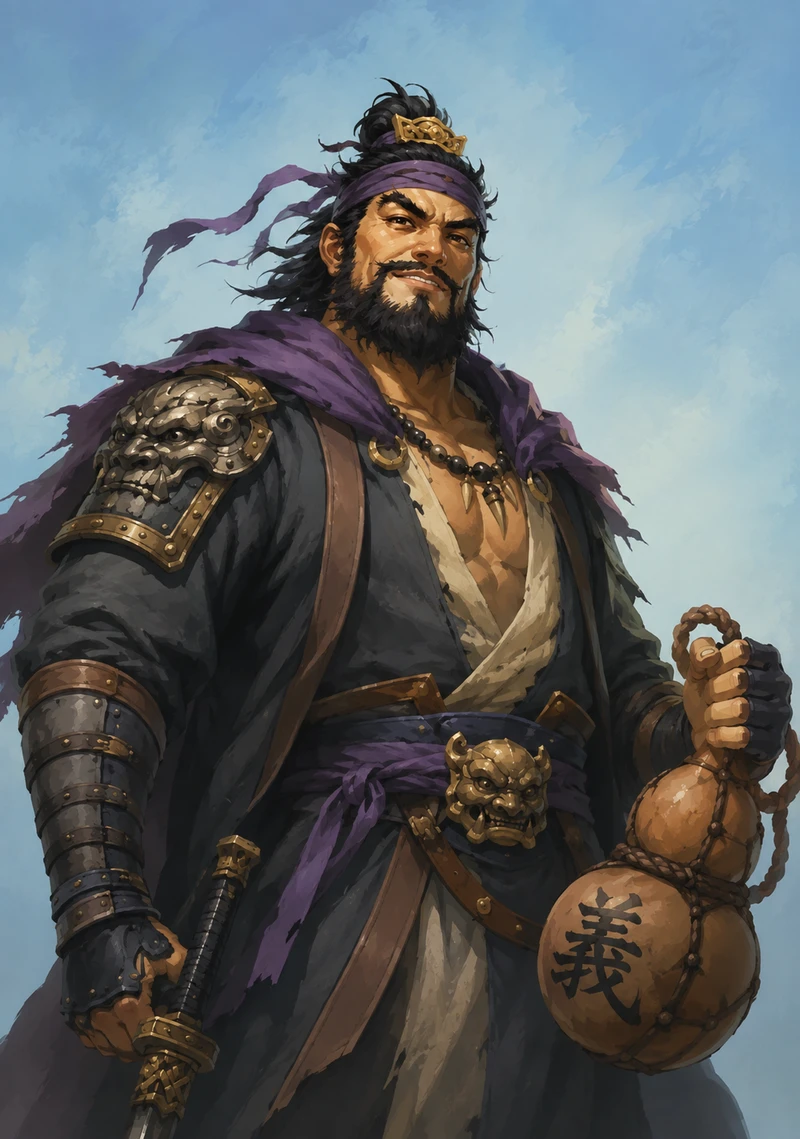
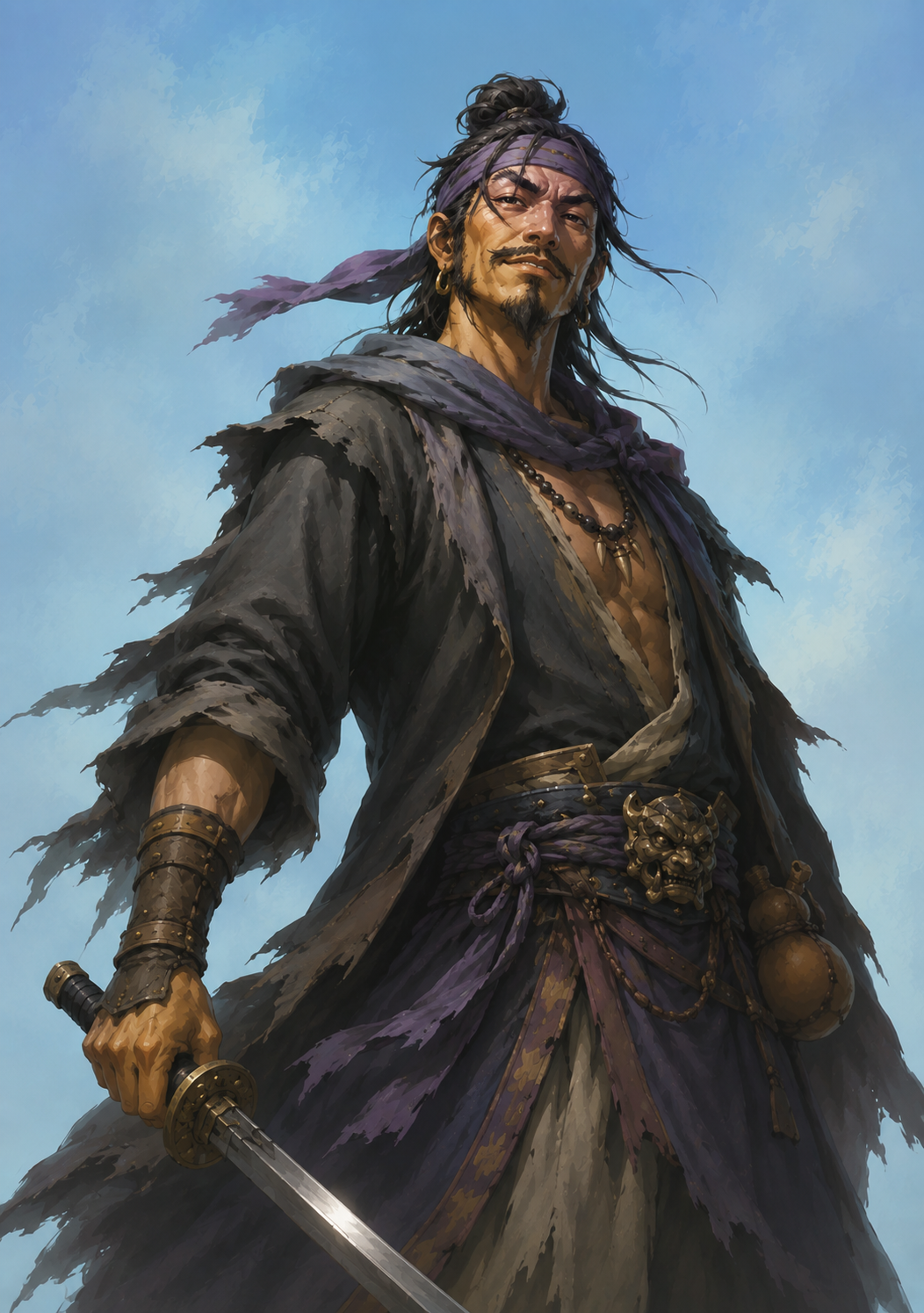
During the battle, Liu Bei noticed Zhang Wu riding an extraordinary, magnificent steed that galloped across the lines with incredible agility. Admiring the horse, Liu Bei praised it aloud:
“This is surely an extraordinary stallion!”
Hearing his lord’s praise, Liu Bei’s sworn brother Zhao Yun (赵云, Triệu Vân) rode out immediately with his spear, thrust through Zhang Wu in a single pass, captured the horse by its reins, and presented it to Liu Bei as a prize of war.
After witnessing Zhang Wu’s death against Zhao Yun, Chen Sun rashly charges forward to reclaim the warhorse Dilu Ma. Before he can reach Zhao Yun, Zhang Fei intercepts him and impales him with his Serpent Lance, instantly slaying him and shattering the remaining rebel army.


2. Rejection by Kuai Yue and Liu Biao

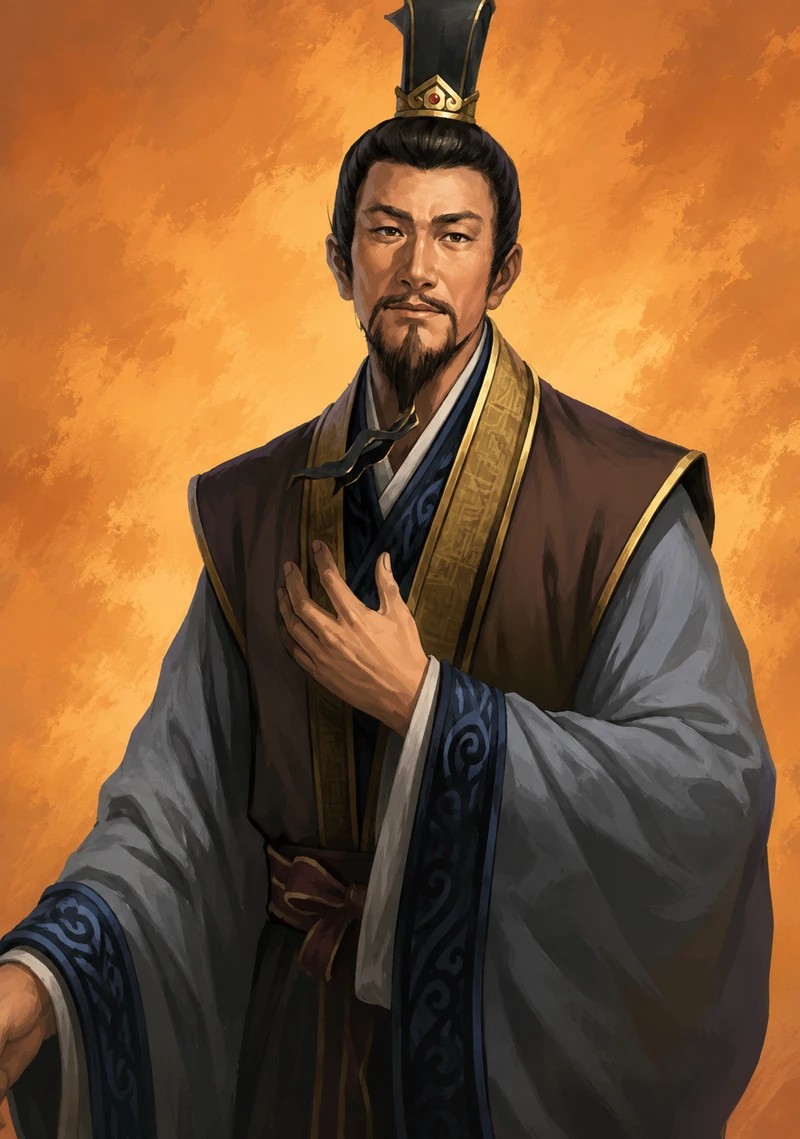
Before the ambush at Tan Stream, Yi Ji (伊籍 / Yī Jí), a sympathetic official under Liu Biao who deeply admired Liu Bei’s virtue, pulled Liu Bei aside during a gathering and whispered a grave warning:
Yi Ji: “My Lord, the horse you ride has tear-troughs beneath its eyes and a white spot on its brow. It is named Dilu, a stallion known to bring death to its master. Zhang Wu rode it and died. You must be cautious and ride it no more!”
Liu Bei’s Gracious Response: “A man’s life and death are governed by Heaven. How can a horse alter one’s fate? I thank you deeply for your kindness, but I shall not abandon a fine steed over mere superstitions.”
Delighted with the fine steed, Liu Bei returned to Xiangyang (襄阳, Tương Dương) and offered Dilu as a gift to his host, Liu Biao.
Liu Biao initially accepted the gift with joy. However, Liu Biao’s sharp advisor, Kuai Yue (蒯越, Khoái Việt), recognized the horse’s physical markings and privately warned his master:
Kuai Yue’s Warning:
“This horse has a white spot on its brow and tear-marks beneath its eyes. It is named Dilu and is known to bring death to its master. Zhang Wu rode it and died in battle. My Lord must not ride it!”
Terrified by the omen, Liu Biao invented an excuse to return the horse to Liu Bei, claiming that as a military commander on the frontiers, Liu Bei needed such a fine mount more than he did.


Sun Qian’s Warning to Liu Bei
Later, Liu Bei’s advisor Sun Qian (孙乾, Tôn Càn) learned of the curse and passed the warning to Liu Bei:
Sun Qian: “Kuai Yue warned Liu Biao that Dilu brings death to its rider. That is why he returned it. My Lord should sell it or give it away!”
Liu Bei’s Noble Response: “The life and death of a man are determined by Fate; how can a mere horse alter destiny? If a horse is meant to carry a man, it obeys Heaven.”
Liu Bei steadfastly refused to abandon Dilu, demonstrating his deep faith in divine mandate (Tiān Mìng / 天命).

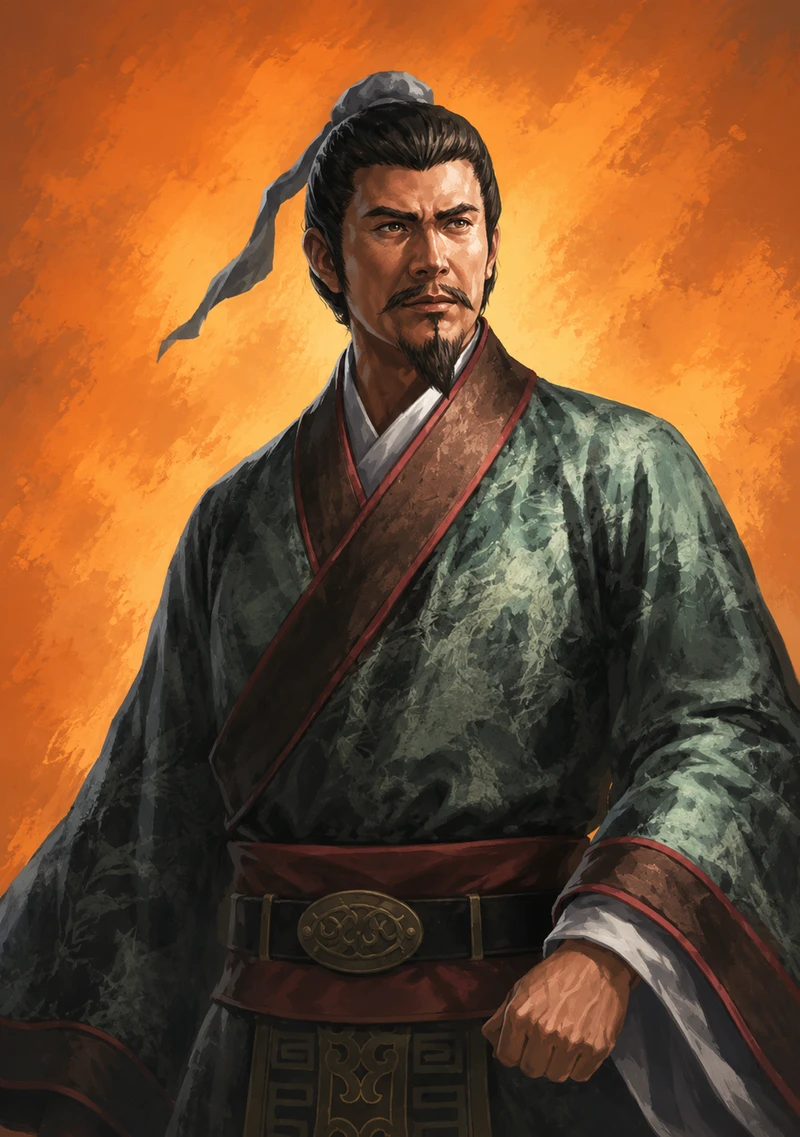
3. The Miraculous Leap at Tan Stream
Dilu’s most famous moment—and the scene that sealed its status in Chinese folklore—occurs at Tan Stream (檀溪, Tàn Khê).
Lady Cai’s Involvement in the Plot
The assassination attempt on Liu Bei (刘备, Lưu Bị) was not planned by Cai Mao (蔡瑁, Sài Mạo) alone; it was heavily orchestrated by his elder sister, Lady Cai (蔡夫人, Cài Fūrén, Cái Phu nhân), the second wife of Liu Biao (刘表, Lưu Biểu).
-
The Succession Motive: Lady Cai bore Liu Biao his younger son, Liu Cong (刘琮, Lưu Tông). Fearing that Liu Bei would help Liu Biao’s eldest son, Liu Qi (刘琦, Lưu Kỳ), secure the succession—or that Liu Bei would eventually seize Jing Province for himself—Lady Cai viewed Liu Bei as an existential threat to her son’s future.


-
Eavesdropping behind the Screen: Prior to the banquet, Lady Cai eavesdropped behind a folding screen as Liu Bei advised Liu Biao to honor tradition by naming Liu Qi as his heir. Enraged, she conspired with Cai Mao:
“Liu Bei has designs on our province. If we do not eliminate him now, he will bring disaster upon us!”
-
Executing the Trap: Taking advantage of Liu Biao’s illness, Lady Cai persuaded her husband to send Liu Bei to host the grand assembly at Xiangyang in his place. Behind the scenes, she authorized Cai Mao to deploy armed ambushers at all four city gates and separate Liu Bei from his bodyguard, Zhao Yun (赵云, Triệu Vân), setting the stage for the fatal trap that forced Liu Bei’s escape on Dilu (狄芦, Ngựa Đích Lư).
Sensible of Liu Bei’s growing popularity in Jing Province, Liu Biao’s brother-in-law, General Cai Mao (蔡瑁, Sài Mạo), plotted to assassinate Liu Bei during a grand banquet at Xiangyang.
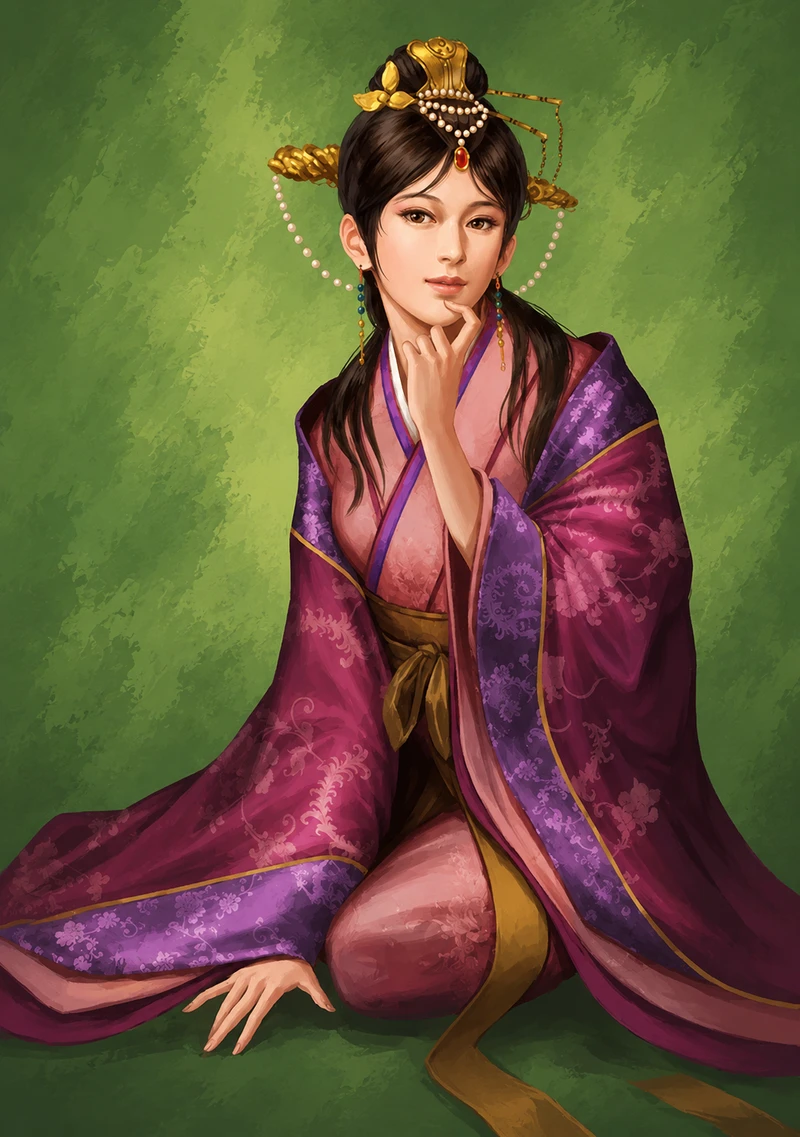

Alerted to the assassination plot by Yi Ji (伊籍, Y Y), Liu Bei slipped out of the banquet hall under the pretense of using the restroom, mounted Dilu, and fled out the western gate of the city with Cai Mao’s armed cavalry in hot pursuit.
The Trapped Hero at the Ravine
Fleeing westward, Liu Bei was suddenly blocked by Tan Stream, a roaring, treacherous river-ravine over three zhang (approx. 30 feet) wide, filled with swirling torrents and sharp jagged rocks.
With Cai Mao’s pursuers shouting in the distance and the raging waters ahead, Dilu stumbled into the muddy embankment near the water’s edge, sinking up to its chest.
In utter desperation, Liu Bei struck the horse’s neck with his reins and cried out in tears:
Liu Bei’s Famous Cry:
“Dilu! Dilu! Today you truly fulfill your curse and destroy me!”
(“狄芦!狄芦!今日妨吾!”)
The Heavenly Leap
Spurred by its master’s voice, Dilu unleashed a supernatural burst of power. The horse reared up out of the deep mud and leaped three zhang into the air, soaring completely across the vast expanse of Tan Stream and landing safely on the opposite bank.
Cai Mao arrived at the riverbank moments later, stunned to see Liu Bei safely across. Cai Mao called out, inviting Liu Bei to return, but Liu Bei turned Dilu around, rode westward, and escaped into the mountains—where he soon met the hermit Sima Hui (司马徽, Tư Mã Huy) and ultimately recruited Zhuge Liang (诸葛亮, Gia Cát Lượng).
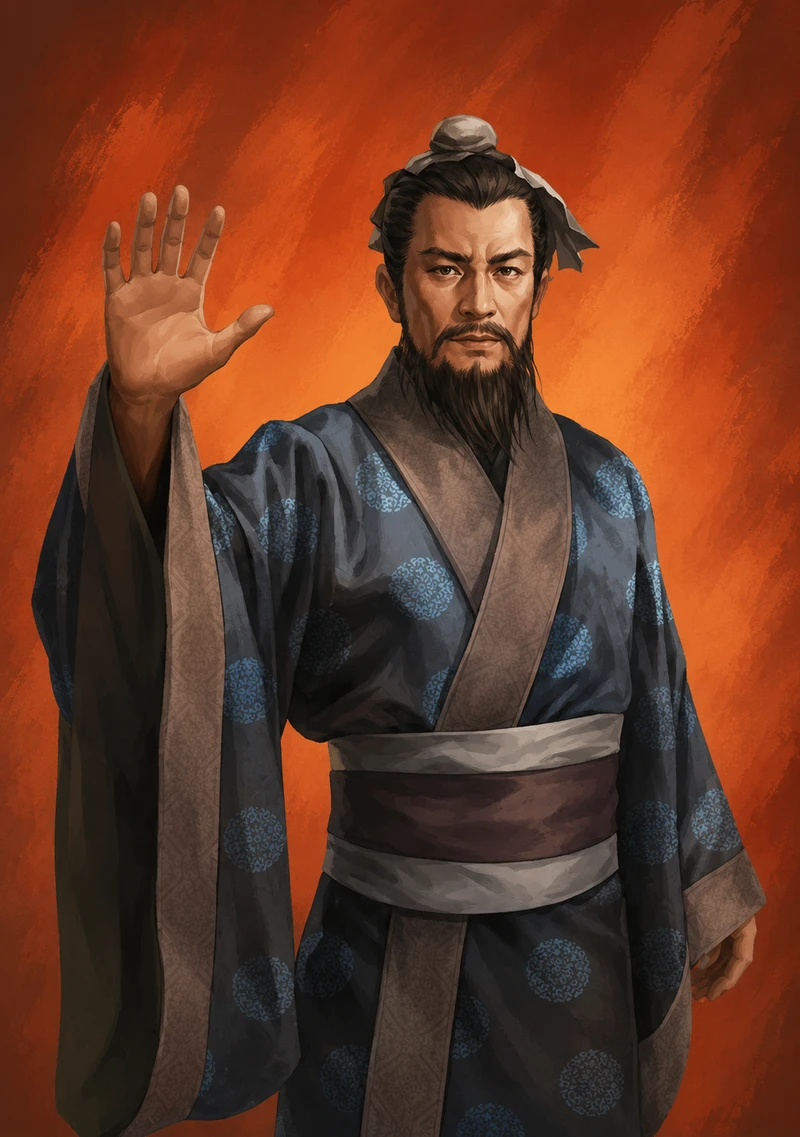

4. Transfer to Pang Tong and the Fatal Trap
The dark side of Dilu’s curse lay dormant until Chapter 63 (214 AD), during Liu Bei’s military campaign to conquer Yizhou (益州, Ích Châu / Sichuan) from Liu Zhang (刘璋, Lưu Chương).
The Swap of Warhorses
Liu Bei’s chief strategist, Pang Tong (庞统, Bàng Thống / title: Phoenix Fledgling, 凤雏), was tasked with leading a surprise vanguard force through a narrow mountain trail to attack Luo City (雒城, Lạc Thành).
Before departing, Pang Tong’s horse threw a shoe and stumbled, nearly throwing him off. Seeing this, Liu Bei, out of deep affection and concern for his strategist’s safety, insisted on swapping mounts:
Liu Bei: “Military Director, your horse is old and unsafe. Ride my mount, Dilu. Dilu is swift, sure-footed, and faithful; it will never fail you.”
Moved to tears by Liu Bei’s generosity, Pang Tong mounted Dilu and rode out at the head of his troops, unaware of the horse’s dark reputation.


The Ambush at Luofeng Slope
Enemy general Zhang Ren (张任, Trương Nhiệm) had set an ambush in a dense, narrow pass called Luofeng Slope (落凤坡, Lạc Phượng Pha – The Slope of the Fallen Phoenix).
Zhang Ren instructed his archers to watch specifically for Liu Bei, who was known across the realm to ride a distinct white-spotted horse. When the vanguard entered the narrow defile, Zhang Ren saw a strategist riding Dilu and assumed it was Liu Bei.
Zhang Ren shouted: “Shoot the man on the white-spotted horse!”
A volley of hundreds of arrows rained down upon Pang Tong. Pang Tong was riddled with arrows and died instantly on the spot at the age of 36, fulfilling both the tragic omen of Luofeng Slope (Fallen Phoenix) and the ancient curse of Dilu (bringing death to its rider).
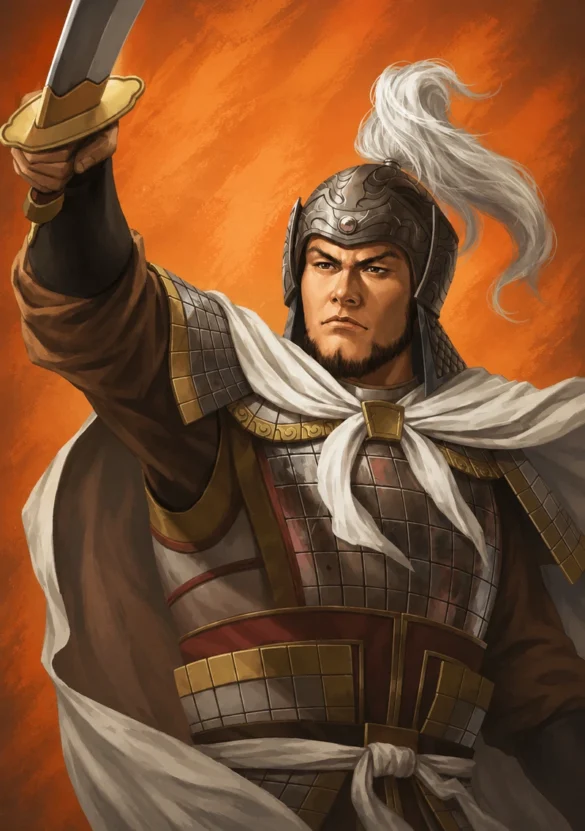
Zhang Ren – 张任 – Trương Nhiệm
Summary of Key Profile Details
| Aspect | Historical & Literary Details |
| Chinese Name | 狄芦 / 狄 (Dì Lú) |
| Vietnamese Name | Ngựa Đích Lư |
| Physical Traits | White patch on forehead (Bái É); tear-trough depressions under eyes |
| Superstition | “Master-Slayer” (Zhǔ Mǎ / 主马) – brings misfortune to its rider |
| Novel Chapters | Chapter 34 (Acquisition & Tan Stream) & Chapter 63 (Pang Tong’s Death) |
| Owners | Zhang Wu $rightarrow$ Liu Bei $rightarrow$ Pang Tong |
| Miraculous Feat | Leaped 3 zhang across Tan Stream to save Liu Bei (205 AD) |
| Tragic Incident | Caused Pang Tong to be mistaken for Liu Bei and killed by archers (214 AD) |
Literary Analysis: Fate and the Paradox of Dilu
The story of Dilu represents one of the most brilliant literary motifs in Romance of the Three Kingdoms:
-
The Divine Mandate (Tiān Mìng):
Dilu was cursed to kill its masters (as it did with Zhang Wu and Pang Tong). However, when Liu Bei rode it, the horse did not destroy him—it saved his life. This contrast emphasizes that Liu Bei possessed the “Mandate of Heaven” to establish the Shu Han Dynasty. The curse worked against ordinary men, but yielded to a true ruler of destiny.
-
The Tragic Irony of Benevolence:
Liu Bei gave Dilu to Pang Tong out of pure love and concern. Yet, this very act of kindness directly caused Pang Tong’s death, as Zhang Ren’s archers targeted the horse. This tragic twist highlights the overarching theme of the novel: even the noblest intentions cannot overturn the cruel gears of Fate.
For detailed historical records, archives, and official chronicles, explore Dilu Ma on Wikipedia.
COMMENTS (0)