
Zhou Chu
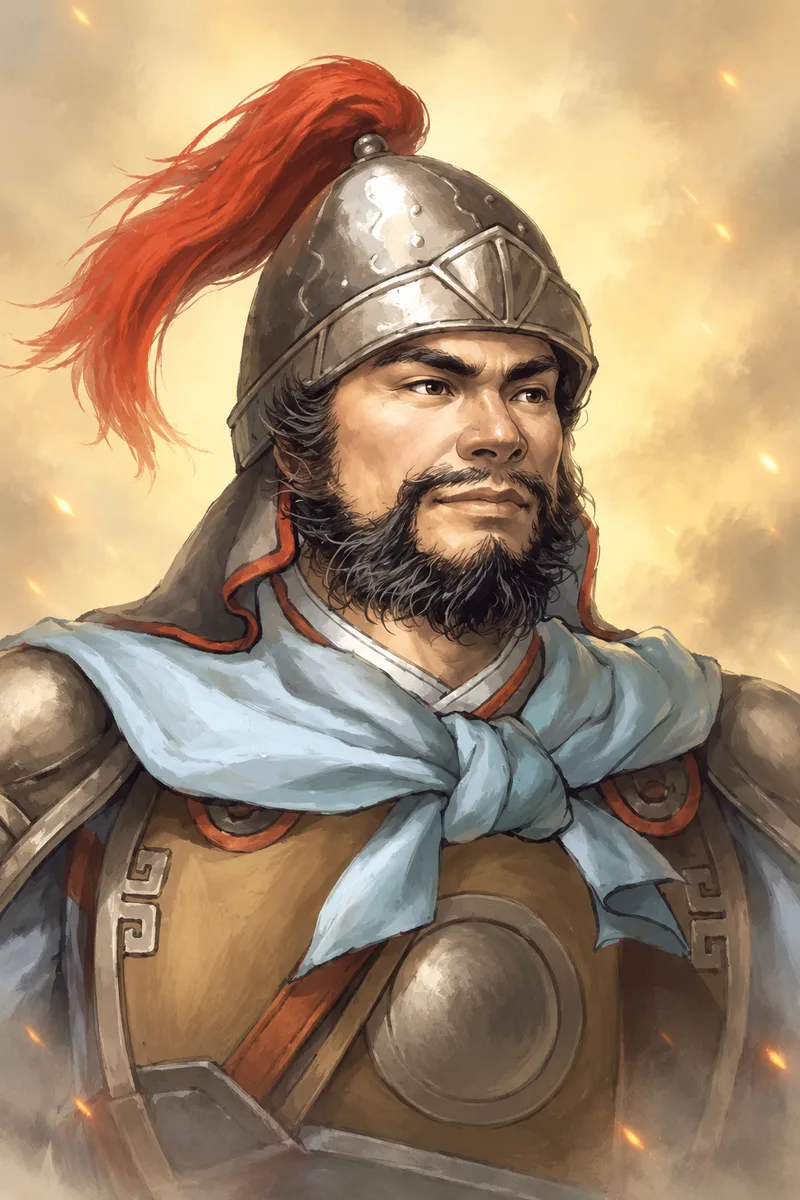
| NAME | |
|---|---|
| Chinese Name | 周处 |
| Courtesy name | 子隐 (Ziying) |
| INFORMATION | |
| Born | 236 AD |
| Birth Place | Yangxian, Wu Commandery (modern Yixing, Jiangsu) |
| Died | 297 AD |
| Death Reason | Killed in battle |
| FAMILY | |
| Father | |
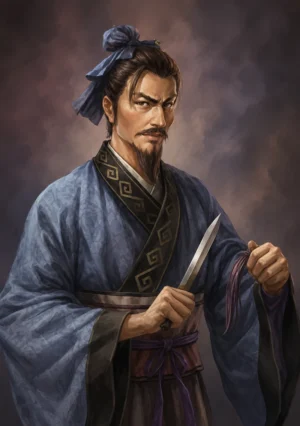
Biography & Historical Record
Zhou Chu (Chu Xứ, 周处; 236–297 AD), courtesy name Ziying (子隐), was a celebrated general and statesman of the Eastern Wu and Western Jin dynasties. He was the son of prominent Eastern Wu general Zhou Fang (周鲂), who had famously orchestrated the deception of Cao Xiu at the Battle of Shiting.
In his youth, Zhou Chu possessed extraordinary physical prowess and a hot-tempered nature. He roamed freely and was feared by the villagers of Yangxian. When locals spoke of the “Three Evils” (三害) terrorizing their land—a ferocious tiger in the mountains, a terrifying dragon in the waters, and Zhou Chu himself—he was deeply struck with remorse upon discovering the truth. Determined to redeem his character, Zhou Chu entered the mountains and slew the man-eating tiger, then plunged into the river and fought the violent beast for three days and three nights before slaying it.
Upon his return, seeing the villagers rejoicing over his presumed demise, Zhou Chu sought out the renowned scholars Lu Ji and Lu Yun, who encouraged him that moral transformation and righteousness were never too late to achieve. Zhou Chu reformed completely, dedicating himself to virtue and scholarly study. He rose to become an upright official in Western Jin, serving as Grand Administrator of Guanghan and Royal Attendant. In 297 AD, during the Di rebellion of Qi Wannian, Zhou Chu was sent to the frontlines without reinforcements due to court envy, yet refused to abandon the battle and died fighting heroically to the last breath.
Role in Romance of the Three Kingdoms
The tale of Zhou Chu slaying the tiger and dragon to eliminate the “Three Evils” and dedicating his life to righteous service stands as one of the most renowned moral allegories of personal reform in Chinese history.
Zhou Chu — Historical & Legendary Timeline
236 AD
Birth in Wu Commandery
Born as son of general Zhou Fang, growing up renowned for immense physical strength.
c. 255 AD
Eliminating the Three Evils
Sleys the fierce tiger and river dragon, receives moral counsel from Lu Ji, and undergoes profound moral reform.
280 AD
Service in Western Jin
Following the conquest of Wu, enters Jin administration as an incorruptible legal inspector and regional administrator.
297 AD
Heroic Death at Battle of Liumo
Sent with five thousand men against seventy thousand rebels without backup; fights heroically until his arrows are exhausted and perishes in battle.
Key Relationships
Family
- Father Zhou Fang (周鲂, Chu Phường): Renowned Eastern Wu general who executed the famous hair-cutting ruse against Cao Xiu.
Friends
- Lu Ji (陆机, Lục Cơ): Eminent scholar and writer who encouraged Zhou Chu to cultivate virtue and scholarly learning.
- Lu Yun (陆云, Lục Vân): Brother of Lu Ji who inspired Zhou Chu’s moral transformation.
Enemies
- Qi Wannian: Leader of the Di-Qiang confederation whose massive insurrection Zhou Chu confronted.
- Sima Lun: Jin imperial prince whose malicious political malice denied Zhou Chu vital military reinforcements.
Other
- Sima Yan (司马炎, Tư Mã Viêm): Emperor Wu of Jin who praised Zhou Chu’s judicial integrity and civic capability.
In Novel
Legacy in Eastern Wu & Jin
- Zhou Chu (周处, Chu Xứ): Son of the great Wu tactician Zhou Fang; celebrated for his elimination of the "Three Evils" and his steadfast valor in the late era.
In History
Summary
- Zhou Chu (周处, Chu Xứ) (236–297 AD) was an Eastern Wu and Western Jin military commander celebrated for his legendary moral reformation and heroic sacrifice at Liumo.
Year: 297 AD
- Sacrificed his life holding the line against Qi Wannian's rebel army in Guanzhong, posthumously honored as General of the Household.
Historical Record
- Book of Jin (晋书), Volume 58: Comprehensive biography highlighting his heroic transformation, judicial impartiality, and martyrdom.
- Shishuo Xinyu (世说新语), Chapter "Self-Reform" (自新): Contains the original classical narrative of eliminating the Three Evils.
COMMENTS (0)