
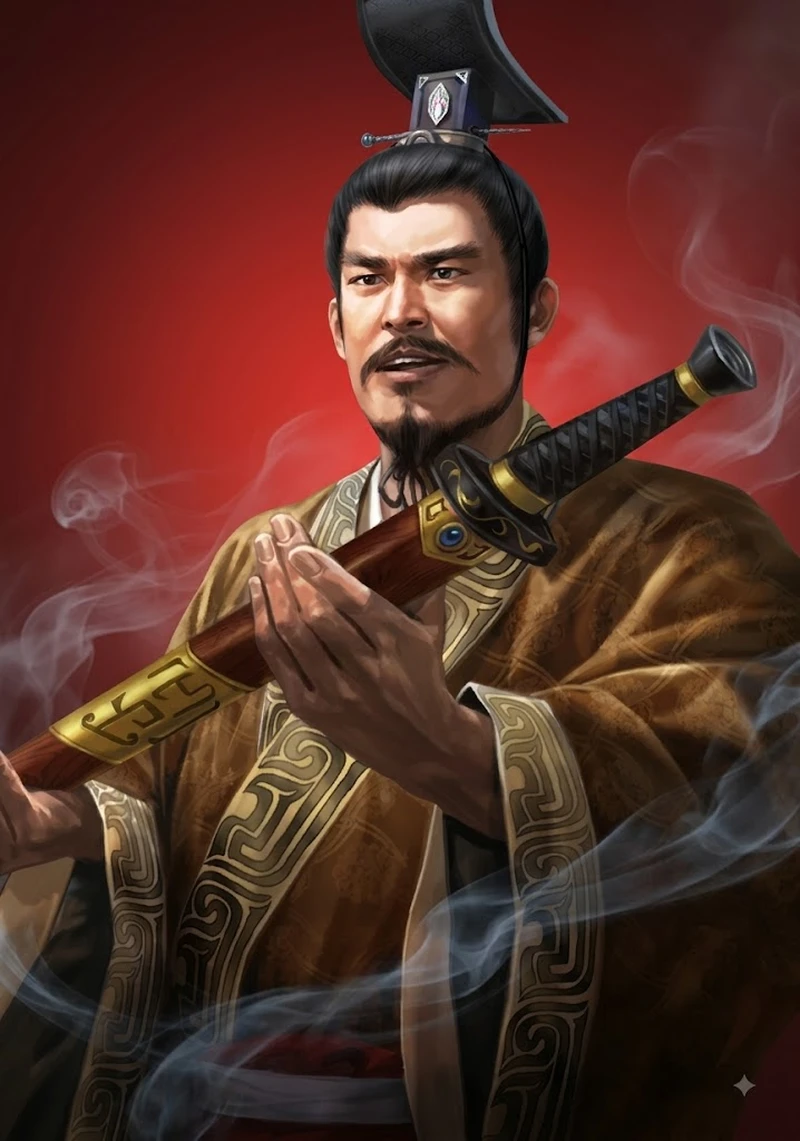
| NAME | |
|---|---|
| Chinese Name | 熊槐, 熊槐, Xióng Huái |
| Nickname | King Huai of Chu (楚懷王) |
| Other name | Hùng Nghi |
| INFORMATION | |
| Born | 355 BC |
| Died | 296 BC |
| Death Reason | Died of illness after being held captive in the State of Qin. |
| FAMILY | |
| Father | |
| Spouse | |
| Children | |
| Relatives | |
| CAREER | |
| Allegiance | State of Chu |
| Battles | Battle of Danyang, Battle of Lantian |





Biography & Historical Record
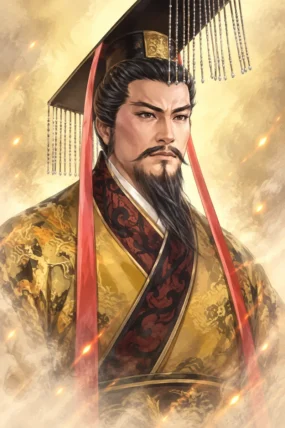
Xiong Huai (熊槐, Hùng Nghi), known posthumously as King Huai of Chu (楚懷王, Sở Hoài Vương), was the monarch of the State of Chu during the Warring States period. His reign is historically significant as a turning point that marked the decline of Chu’s dominance. Initially, King Huai enjoyed a period of prosperity and attempted to form a powerful alliance (the Vertical Alliance) with the State of Qi (齊, Tề) to counter the rising hegemony of the State of Qin (秦, Tần). However, his reign was plagued by poor diplomatic decisions, internal corruption, and the influence of his deceptive consort, Queen Zheng Xiu (鄭袖, Trịnh Tụ), and the corrupt official Zi Lan (子蘭, Tử Lan).
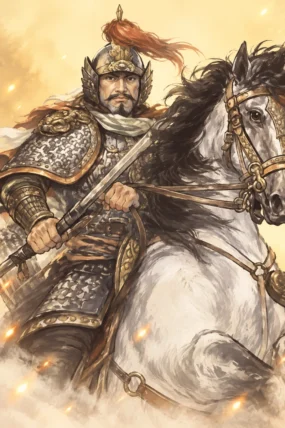
His most famous historical blunder involved the diplomat Zhang Yi (張儀, Trương Nghi) of Qin, who deceived King Huai with a promise of 600 li of land in exchange for breaking his alliance with Qi. Upon severing ties with Qi, Zhang Yi reneged on the deal, claiming only 6 li. Humiliated and furious, King Huai launched campaigns against Qin but suffered crushing defeats at the Battle of Danyang and the Battle of Lantian. His later years were marked by his desperate attempt to negotiate with King Zhao of Qin (秦昭襄王, Tần Chiêu Tương Vương), which resulted in his abduction and imprisonment in Qin until his death in 296 BC. The great poet Qu Yuan (屈原, Khuất Nguyên) served under his court, frequently offering loyal remonstrances that were ignored, leading to the poet’s eventual exile and deep national sorrow.
Role in Romance of the Three Kingdoms
While King Huai of Chu does not appear as a character in the narrative of Luo Guanzhong’s Romance of the Three Kingdoms, he is frequently referenced in the dialogue of various strategists and scholars to caution warlords against the dangers of diplomatic gullibility and the failure to listen to virtuous advisors. His historical tragedy serves as a cautionary archetype for leaders who choose deceitful sycophants over loyal, wise ministers.
Xiong Huai — Historical & Literary Timeline
329 BC
Accession to the Throne
Xiong Huai ascends the throne of Chu, inheriting a powerful state from King Wei of Chu (楚威王, Sở Uy Vương).
313 BC
The Deception of Zhang Yi
King Huai is tricked by the Qin diplomat Zhang Yi (張儀, Trương Nghi) into breaking his alliance with the State of Qi, leading to immediate diplomatic isolation.
312 BC
Military Catastrophe
Chu suffers massive casualties against Qin forces at the Battle of Danyang and the Battle of Lantian, effectively ending Chu’s status as the sole superpower.
299 BC
Imprisonment in Qin
King Huai travels to Qin for a diplomatic summit but is arrested by King Zhao of Qin (秦昭襄王, Tần Chiêu Tương Vương) and held hostage.
296 BC
Death
King Huai dies in captivity within the borders of Qin, and his body is returned to Chu for burial.
For detailed historical records, archives, and official chronicles, explore Xiong Yi (King Huai of Chu) on Wikipedia.
Key Relationships
- The Loyalists
- Qu Yuan (屈原, Khuất Nguyên): A brilliant poet and minister who warned King Huai repeatedly against trusting Qin; his dismissal eventually led to the collapse of the king’s moral authority.
- The Corrupt
- Zhang Yi (張儀, Trương Nghi): The Qin diplomat whose cunning and deceptive oratory led to King Huai’s political destruction.
- Queen Zheng Xiu (鄭袖, Trịnh Tụ): The queen whose interference in state affairs and protection of corrupt officials crippled the administration of Chu.
COMMENTS (0)