

| NAME | |
|---|---|
| Chinese Name | 士徽, 士徽, Shì Huī |
| Nickname | Thái thú Cửu Chân |
| Other name | Sĩ Huy |
| INFORMATION | |
| Born | 165 |
| Birth Place | Guangxin County, Cangwu Commandery (苍梧郡广信县; huyện Quảng Tín, quận Thương Ngô) |
| Died | 226 |
| Death Reason | Executed by Lữ Đại after surrendering during the rebellion against Eastern Wu. |
| FAMILY | |
| Father | |
| Children | |
| Relatives | |
| CAREER | |
| Allegiance | Đông Ngô |
| Battles | Cuộc nổi dậy của họ Sĩ |

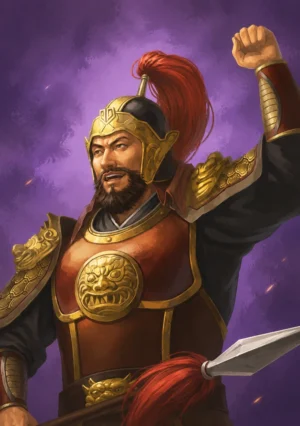
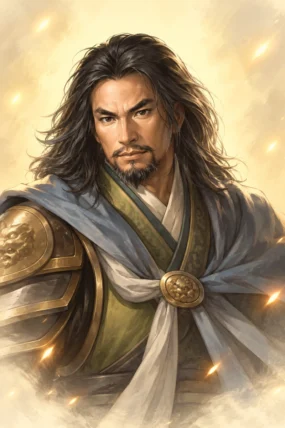
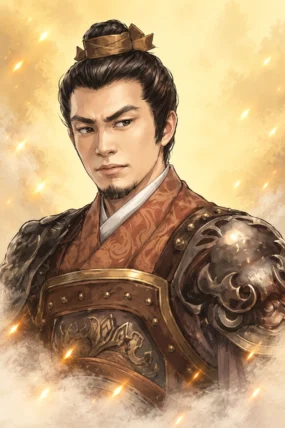


The Rise and Downfall of Shi Hui
Shi Hui was the ambitious son and successor of the renowned southern administrator Shi Xie, who governed the remote Jiaozhi region with widespread autonomy. When his father passed away in 226 AD, the young leader boldly assumed control over the commandery without receiving official confirmation from Sun Quan, the founding sovereign of Eastern Wu. This act of insubordination provoked an immediate military response from the imperial court.
Sun Quan swiftly dispatched General Lü Dai to subjugate the defiant territory and partition the provincial administration. Although local garrisons mounted initial resistance alongside allied commanders like Gan Li, Lü Dai skillfully leveraged familial connections by sending cousin Shi Kuang with fraudulent promises of clemency. Trusting these diplomatic assurances, the regional leader surrendered peacefully. However, upon opening the city gates of Longbian, he and his brothers were immediately arrested, stripped of their titles, and summarily decapitated, abruptly terminating the clan’s multi-decade hegemony.
Role in Romance of the Three Kingdoms
Within historical chronicles and traditional lore surrounding the Three Kingdoms era, the downfall of Shi Hui serves as an illustrative turning point. Though his role in popular dramatic adaptations remains secondary compared to central warlords, this southern campaign proved essential for Eastern Wu to secure its southern borders and integrate regional trade routes under centralized rule.
Historical Timeline
Early Life
Born into the influential Shi family governing Jiaozhi during the late Han dynasty.
Succession Crisis
Assumes command without imperial approval after his father’s death, sparking an invasion by Eastern Wu.
Fall and Execution
Surrenders under false assurances of amnesty and is executed alongside his brothers at Longbian.
Key Historical Figures
- Shi Xie: Influential father and Grand Administrator whose passing ignited the regional conflict.
- Shi Zhi, Shi Gan & Shi Song: Younger brothers executed following the capitulation at Longbian.
- Shi Kuang: First cousin dispatched by imperial forces to negotiate the fateful surrender.
- Lü Dai: Eastern Wu general who suppressed the local uprising through decisive strategic deception.
- Sun Quan: Ruler of Eastern Wu who ordered the annexation and reorganization of the southern provinces.
In Novel
Chapter 87
- Shi Hui (士徽, Sĩ Huy): Shi Hui is the son of Shi Xie and becomes involved in the struggle for control of Jiaozhi after his father's death. He attempts to preserve the family's authority but faces the intervention of Wu, which seeks to restore direct control over the region.
In History
Jiaozhi and the Shi Family
- Shi Hui (士徽, Sĩ Huy) was the eldest son of Shi Xie (士燮, Sĩ Nhiếp), the powerful administrator of Jiaozhi in the south.
Succession after Shi Xie
- After Shi Xie's death, Shi Hui inherited a position of authority in Jiaozhi. He attempted to preserve the family's autonomy while the political balance in the south was changing.
Conflict with Wu
- Sun Quan (孙权, Tôn Quyền) sought to strengthen direct control over Jiaozhi. Shi Hui resisted the replacement of his family's authority by Wu-appointed officials.
Defeat and Death
- Wu forces eventually compelled Shi Hui to surrender. He and members of his family were executed after the rebellion was suppressed.
Legacy
- Shi Hui's downfall marked the end of the Shi family's effective independence in Jiaozhi and strengthened Eastern Wu's direct control over the far south.
COMMENTS (0)