

| NAME | |
|---|---|
| Chinese Name | 高堂隆, 高堂隆, Gāotáng Lóng |
| Other name | Cao Đường Long |
| Courtesy name | 胜平, 勝平, Shèngpíng, Sheng Ping, tự Thắng Bình |
| INFORMATION | |
| Birth Place | Bohai Commandery, Ji Province (冀州勃海郡; quận Bột Hải, Ký Châu) |
| Died | 237 |
| Death Reason | Died of illness after a prolonged period of declining health in office |
| FAMILY | |
| Relatives | |
| CAREER | |
| Allegiance | Cao Wei, Eastern Han Dynasty |
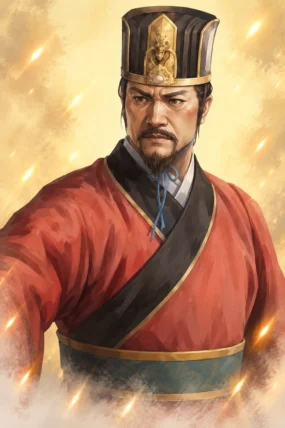
Biography & Historical Record
Gaotang Long, courtesy name Shengping, was a distinguished grand scholar, astronomer, ritualist, and incorruptible statesman of the Cao Wei state during the late Eastern Han dynasty and the Three Kingdoms period. Hailing from Taishan Commandery, Gaotang Long was a direct descendant of Gaotang Sheng, the renowned Han dynasty master of the Book of Rites. Documented in Chen Shou’s official dynastic history Records of the Three Kingdoms (Sanguozhi – Book of Wei, Biography of Gaotang Long) and Sima Guang’s Zizhi Tongjian, Gaotang Long possessed an encyclopedic mastery of Confucian classics, ancient ritual protocols, legal codes, and astronomy. He was universally celebrated for his unyielding moral courage, absolute integrity, and fearless propensity to rebuke corrupt officials and remonstrate emperors regardless of personal peril.
Gaotang Long’s career of civil courage began in his youth as a scholar in Taishan, when a central government inspector arrived to bully and humiliate the local commandery administrator. While others cowered in fear, Gaotang Long drew his sword and angrily denounced the arrogant inspector for violating official propriety, instantly earning widespread renown for his bravery and defense of justice. In 213 AD, Cao Cao summoned him to serve as a deliberative officer in the Chancellor’s Office. Following Cao Cao’s death in 220 AD, when Cao Hui, the Marquis of Licheng and son of Cao Cao, flagrantly disregarded filial piety by hunting and racing horses instead of mourning his father, Gaotang Long—then serving in Cao Hui’s household administration—sternly rebuked the prince using strict Confucian principles of mourning, compelling the chastised royal scion to return home and perform proper penance.
As a senior scholar and court minister under Emperor Cao Rui, Gaotang Long exerted profound influence over court ritual, calendar reform, and legal institutions. However, his most historically significant role was his relentless opposition to Emperor Cao Rui’s extravagant imperial building projects. During the later years of his life, as Cao Rui indulged in massive, wasteful construction of palaces, towers, and pleasure grounds—such as the Chazhao and Zhaoyang Palaces—that exhausted the populace and drained the imperial treasury, Gaotang Long repeatedly submitted daring memorials denouncing the projects. Warning that unchecked imperial luxury and disregard for the suffering of the common people would forfeit the mandate of heaven, Gaotang Long argued with such fierce moral clarity that even the temperamental Cao Rui, though enraged, could not bring himself to execute or banish him due to his unassailable academic reputation. In 237 AD, while on his deathbed, Gaotang Long submitted one final, prophetic memorial to the throne, warning Cao Rui that the imperial clan’s power was dangerously fragmenting while subordinate powerful clans (obliquely referring to the Sima family) were accumulating uncheckable authority—a chilling prediction that was fully validated by subsequent history. He passed away shortly thereafter, leaving a legacy as one of the ultimate moral pillars of the Wei court.
Role in Romance of the Three Kingdoms
In Chapters 91 and 105 of Luo Guanzhong’s classic 14th-century historical novel Romance of the Three Kingdoms, Gaotang Long appears as a preeminent scholar, ritual master, and courageous court remonstrator who fearlessly stands up to imperial excess. The novel highlights his scholarly contributions in reforming the state calendar and establishing proper court ceremonies during the early reign of Cao Rui in Chapter 91.
Later, in Chapter 105, Gaotang Long’s principled defiance is dramatized during Cao Rui’s obsessive construction of magnificent palaces and pavilions despite the impoverishment of the state. Alongside fellow official Dong Xun, Gaotang Long submits desperate and severe remonstrances, urging the emperor to halt construction and preserve the strength of the nation. The novel portrays his unyielding resolve as a shining example of ministerial righteousness, contrasting sharply with the sycophancy of other courtiers and cementing his literary status as a tragic prophet whose warnings against court corruption and impending dynastic usurpation went unheeded.
Gaotang Long (高堂隆) — Historical & Literary Timeline
Recruitment by Cao Cao
Recruited into the central civil administration by Cao Cao as a deliberative officer following his early displays of scholarly erudition and moral courage in Taishan.
Rebuking Prince Cao Hui for Unfilial Conduct
Sternly reprimands Cao Hui for hunting instead of mourning the deceased Cao Cao, forcing the imperial scion to repent and observe proper funeral rites.
Establishing State Rituals under Cao Rui
Appointed as a senior court scholar; conducts extensive historical research on astronomy and ritual to reform the state calendar and establish formal court ceremonies.
Protesting Against Palace Building & Authoring Prophetic Memorial
Fiercely remonstrates Emperor Cao Rui against the wasteful construction of palaces; on his deathbed, submits a final memorial warning of impending usurpation by powerful ministerial clans.
For detailed historical records, archives, and official chronicles, explore Gaotang Long on Wikipedia.
Key Relationships
Family
- Gaotang Sheng (高堂生, Cao Đường Sinh): Renowned Western Han dynasty master of the Book of Rites and direct ancestor whose profound ritual and Confucian heritage Gaotang Long inherited.
Friends
- Dong Xun (董寻, Đổng Tầm): Fellow Wei court official who allied with Gaotang Long in submitting daring remonstrances against Emperor Cao Rui’s lavish and draining imperial palace construction projects.
Enemies
- Cao Hui (曹徽, Tào Huy): Prince of Licheng and son of Cao Cao; severely reprimanded and confronted by Gaotang Long in 220 AD for insolently racing horses and hunting during the official mourning period for Cao Cao.
Other
- Cao Cao (曹操, Tào Tháo): Founder of the Wei state; summoned Gaotang Long to the central administration in 213 AD to serve as a deliberative officer in the Chancellor’s Office after noting his erudition and moral courage.
- Cao Rui (曹叡, Tào Duệ): Second Emperor of Wei; despite valuing Gaotang Long’s mastery over ritual, calendar reform, and legal institutions, he was repeatedly and fiercely rebuked by Gaotang Long for his extravagant architectural vanity, receiving a final prophetic warning from him in 237 AD regarding the rise of powerful ministerial clans.
In Novel
Gaotang Long (高堂隆, Cao Đường Long) does not have a securely verified named appearance in the supplied edition under the exact Chinese name 高堂隆. He is a historical Wei official associated with Cao Rui's court, but no chapter is assigned without an exact textual match.
History
Summary
- Gaotang Long (高堂隆, Cao Đường Long), courtesy name Shengping, was a Cao Wei scholar-official known for his expertise in ritual, astronomy and calendrical matters.
Service under Cao Rui
- He served in the court of Emperor Cao Rui and frequently advised the emperor on government, ritual and construction.
- Gaotang Long criticized extravagant building projects and urged attention to agriculture and state finances.
Scholarship
- He was particularly respected for his knowledge of ancient institutions and astronomical phenomena.
- His memorials reveal the tension between Confucian political ideals and the imperial construction program of Cao Rui's reign.
Death
- Gaotang Long died during Cao Rui's reign.
- Classification: Historical.
COMMENTS (0)