
Zhiju Lun
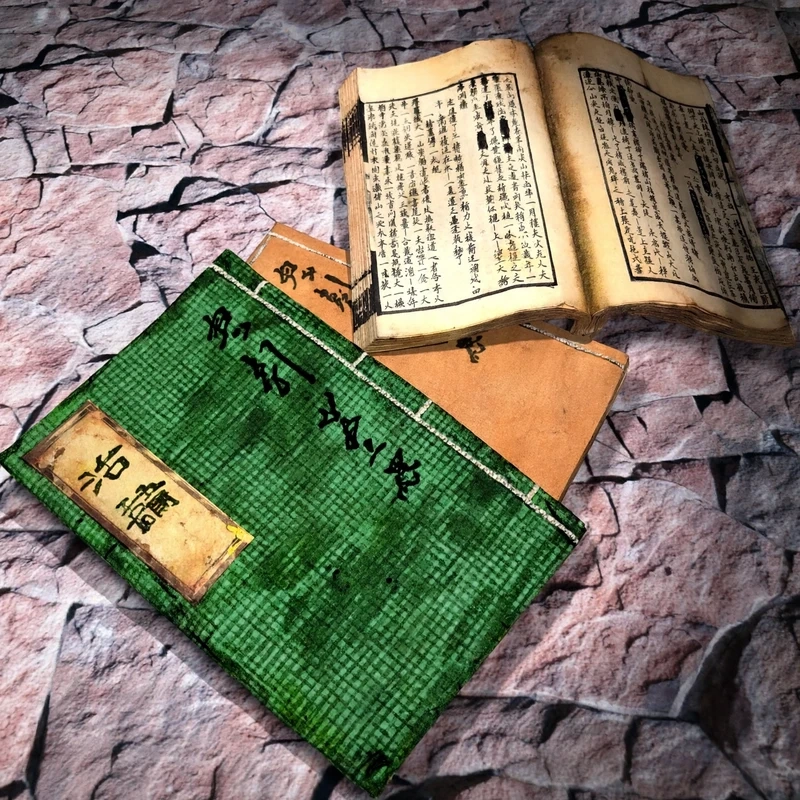
The Treatise on Statecraft: Wang Su’s Discourse on the Instruments of Governance
The Influential Legal and Institutional Reformation Philosophy of Cao Wei
In the aftermath of the Eastern Han dynasty’s collapse, the warlords and statesmen of the Three Kingdoms era confronted a monumental institutional crisis: how to transition from chaotic martial conquest to enduring civil stability. Emerging as one of the preeminent Confucian intellectuals, ritualists, and political thinkers of Cao Wei, Wang Su (王肃, Vương Túc / courtesy name: Ziyong, 子雍)—the son of Grand Minister Wang Lang and father-in-law of Sima Zhao—authored the celebrated political treatise: Zhiju Lun (治具论, Zhìjù Lùn, Trị Cụ Luận / “Discourse on the Instruments of Governance”).
“Laws and regulations are the instruments of governance, yet moral virtue and benevolence are the soul of the realm; when penalties are tempered by compassion and rites illuminate the courts, the hearts of all under heaven turn to loyalty.”
(治具在于明断,教化存乎德政;宽猛相济,万姓自宁, Zhìjù zàiyú míngduàn, jiàohuà cúnhū dézhèng; kuān měng xiāng jì, wànxìng zì níng)
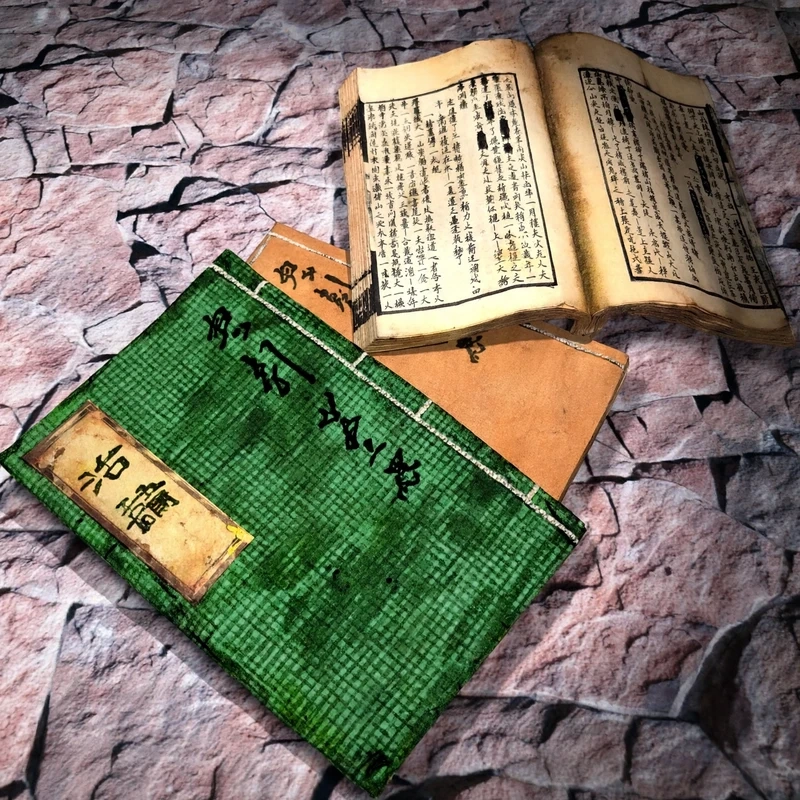
Zhiju Lun (治具论, Discourse on the Instruments of Governance) — Wang Su’s Landmark Treatise on Legal Reformation and Moral Statecraft
Presented to Emperor Ming of Wei (Cao Rui, 曹叡), the Zhiju Lun offered an incisive critique of harsh Legalist penal practices, urging the Wei court to harmonize rigorous legal enforcement with the benevolent humanism of classical Confucian ritual.


1. Etymology and Theoretical Background
The phrase Zhì Jù (治具) traces its lineage to the ancient historical classics:
- Zhì Jù (治具): Literally translates to “Instruments of Governance” or “Tools of State Administration.” Originating from the Shiji (Records of the Grand Historian) by Sima Qian, the term refers to laws, penal codes, statutes, and bureaucratic mechanisms employed by the state to maintain civil order.
- Lùn (论): A rigorous, analytical policy memorial or philosophical critique submitted to the throne.
- The Wang Su School of Classics: In early third-century scholarship, Wang Su founded an influential branch of Confucian interpretation (known as “Wang Xue” / 王学) that boldly challenged the long-dominant Eastern Han commentaries of Zheng Xuan, advocating practical administrative utility over rigid ritual dogmatism.
2. Core Political Principles of the Zhiju Lun
Wang Su’s treatise laid down three indispensable tenets for reforming the governance of Cao Wei:
- Mitigating Severe Penalties (Kuān Xíng / 宽刑): Drawing lessons from the collapse of the Qin dynasty, Wang Su argued that excessive corporal mutilation and draconian collective punishments alienated subjects and fostered underground rebellion.
- Elevating Moral Education (Jiàohuà / 教化): Laws alone could only prevent overt crime; true social stability required the imperial court to patronize schools, ancestral rites, and moral exam standards so that citizens felt natural shame rather than mere fear.
- Judicial Integrity and Impartiality: Condemned factional favoritism and unchecked imperial whim, demanding that magistracies adhere strictly to codified statutes to protect innocent gentry families from false slander.
3. Enduring Influence on the Wei and Jin Legal Codes
The philosophical doctrines articulated in the Zhiju Lun exerted an enormous, enduring impact upon medieval Chinese jurisprudence:
- The Imperial Code of Wei (Wei Lu / 魏律): Wang Su’s proposals directly informed the drafting of the legal statutes promulgated by Cao Rui, which reduced the number of capital offenses and abolished barbaric ancient punishments.
- Foundation of the Jin Dynasty Law: As the maternal grandfather of Emperor Wu of Jin (Sima Yan), Wang Su’s legal thought became the theoretical blueprint for the celebrated Taishi Code (泰始律) of 268 AD, widely recognized as the ancestor of the comprehensive Tang Dynasty legal system.
- Synthesis of Confucianism and Legalism: Marked the decisive historic triumph of the “Confucianization of Law” (法律儒家化), embedding filial piety and ritual hierarchy permanently into the core of imperial Chinese statutory jurisprudence.
Summary of Profile Details
| Aspect | Historical, Political & Legal Details |
| Chinese Name | 治具论 (Zhìjù Lùn) |
| Vietnamese Name | Trị Cụ Luận |
| English Names | Zhiju Lun / Discourse on the Instruments of Governance / Treatise on Statecraft |
| Primary Author | Wang Su (王肃 / courtesy name: Ziyong, 子雍) |
| Textual Category | Imperial Memorial / Political Theory / Jurisprudential Reformation |
| Era of Composition | Reign of Emperor Ming of Wei (Cao Rui, approx. 226–239 AD) |
| Core Tenet | Harmonizing statutory legal severity with benevolent Confucian moral instruction |
| Historical Legacy | Theoretical foundation for the Wei and Jin legal codes (Taishi Lu) |
| Core Symbolism | Institutional Wisdom, Judicial Clemency, Moral Statecraft |
Historical Significance
- A Pillar of Wei-Jin Thought: While popular romance focuses on dramatic battlefield skirmishes, treatises like the Zhiju Lun demonstrate the intense intellectual and institutional state-building that occurred within Cao Wei, consolidating northern supremacy over its southern rivals.
- Academic Triumph: Wang Su’s pragmatic scholarship eventually eclipsed older Eastern Han schools, cementing his family’s prestige as the foremost intellectual lineage supporting the rise of the Western Jin dynasty.
For detailed historical records, archives, and official chronicles, explore Wang Su on Wikipedia.
COMMENTS (0)