

| NAME | |
|---|---|
| Chinese Name | 泄归泥, 泄歸泥, Xiè Guīní |
| Other name | Tiết Quy Nê |
| FAMILY | |
| Relatives | |
| CAREER | |
| Allegiance | Xianbei (Kebineng), Cao Wei |
| Battles | Battle against Qin Lang |
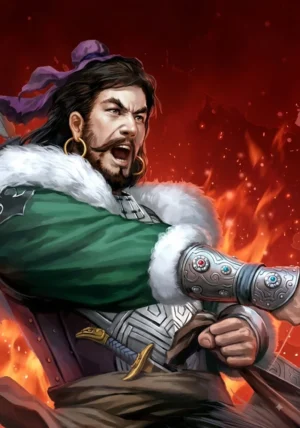
Life and Legacy of Xie Guini
During the tumultuous Three Kingdoms period, northern border diplomacy and frontier defense were critical concerns for the state of Cao Wei. Amidst ongoing conflicts with nomadic confederations, a prominent chieftain named Xie Guini emerged as a notable leader among the Xianbei people. Initially, he served under the formidable Xianbei leader Kebineng, who had successfully united various northern tribes and posed a constant strategic threat to Wei’s northern perimeter.
Tensions culminated around 233 AD when Emperor Cao Rui dispatched General Qin Lang on a punitive expedition against Kebineng. Facing heavy military pressure and strategic discord within tribal alliances, Xie Guini chose to break away from Kebineng’s coalition. Recognizing the benefits of peace and imperial patronage, he formally submitted to the Cao Wei court. Welcoming this crucial defection, the imperial court rewarded him handsomely, bestowing upon him the prestigious noble title of “Prince of Guiyi” (Guiyi Wang). Following his surrender, he led thousands of his tribal followers to settle peacefully within Wei’s northern administrative boundaries, helping stabilize the frontier.
Literary Depiction and Historical Value
In classical historical compilations such as the Records of the Three Kingdoms (Sanguozhi) as well as the 14th-century historical novel Romance of the Three Kingdoms, the chieftain represents a classic example of nomadic leaders who navigated imperial rivalries. His shift in allegiance highlights how Cao Wei skillfully used political titles and diplomacy alongside military force to neutralize nomadic coalitions along the northern frontiers.
Historical Timeline
Submission to Cao Wei
Following the northern campaign led by General Qin Lang against the Xianbei confederation, Xie Guini surrendered his forces to the Cao Wei government and received the title Prince of Guiyi.
Key Relationships
- Kebineng: The paramount Xianbei warlord whom he initially served before breaking ties during the conflict of 233 AD.
- Qin Lang: The renowned Wei general whose military offensive prompted tribal realignment and capitulation.
- Cao Rui: The Emperor of Cao Wei who granted imperial titles and resettled allied tribes along the frontier.
In Novel
Chapter 87
- Xie Guini (泄归泥, Tiết Quy Nê): Xie Guini is a northern tribal leader involved in the frontier conflicts between Wei and the Xianbei. He becomes associated with the military movements around the Wei frontier and the shifting alliances among the northern peoples.
In History
Qiang Leader
- Xie Guini (泄归泥, Tiết Quy Nê) was a leader associated with the Qiang peoples on the northwestern frontier.
Relations with Wei
- He became involved in the frontier politics surrounding Cao Wei, where local tribal leaders alternated between resistance, alliance, and submission.
Frontier Politics
- The activities of leaders such as Xie Guini were important to Wei because control of the western frontier depended heavily on agreements with local tribal communities.
Historical Significance
- His career illustrates the complex relationship between the Wei state and the non-Han peoples living along its northwestern borders.
COMMENTS (0)