

| NAME | |
|---|---|
| Chinese Name | 王敦, 王敦, Wáng Dūn |
| Nickname | Trấn Đông Đại Tướng Quân, Vũ Xương Công |
| Other name | Vương Đôn |
| Courtesy name | 处仲, 處仲, Chùzhòng, Chu Zhong, tự Xử Trọng |
| INFORMATION | |
| Born | 266 |
| Birth Place | Linyi County, Langya Commandery (琅邪郡临沂县; huyện Lâm Nghi, quận Lang Nha) |
| Died | 324 |
| Death Reason | Died of illness during his second rebellion against the Eastern Jin court |
| FAMILY | |
| Father | |
| Spouse | |
| Children | |
| Relatives | |
| CAREER | |
| Allegiance | Western Jin, Eastern Jin |
| Battles | Suppression of Du Tao Rebellion, First Wang Dun Rebellion (322), Second Wang Dun Rebellion (324) |
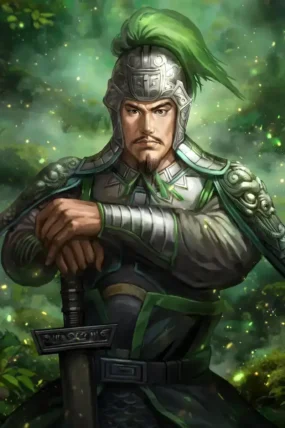


The Rise and Ambition of Wang Dun
Following the turmoil after the Three Kingdoms era and the collapse of Western Jin, Wang Dun (266–324), courtesy name Chuzhong, emerged as one of the preeminent figures of early medieval China. Descending from the aristocratic Langya Wang clan, he co-founded the Eastern Jin dynasty alongside his cousin Wang Dao, leading to the well-known adage: “The Wangs and the Simas share the realm.”
Military Ascendancy and Civil Strife
Holding supreme command over the middle Yangtze River basin from Wuchang, military campaigns expanded the influence of Wang Dun across Jingzhou and Jiangzhou. However, this vast martial authority alarmed Emperor Yuan of Jin, who appointed loyalist ministers to curb the clan’s influence. In 322 AD, under the pretext of cleansing the court of treacherous officials, the warlord launched an armed rebellion against Jiankang, defeating loyalist detachments and securing the rank of Prime Minister.
Imperial resistance hardened under the reign of Emperor Ming. When the warlord orchestrated a second campaign from his sickbed in 324 AD, loyalist forces counterattacked decisively. Imperial troops defeated the insurgent ranks along the Qinhuai River, bringing an end to the tumultuous legacy of Wang Dun.
Historical Timeline
Birth in Langya
Born into the prominent Langya Wang clan in Linyi.
Southern Migration
Helped Sima Rui establish a southern power base at Jiankang.
First Capital Coup
Marched on Jiankang, defeated court troops, and claimed the chancellor title.
Second Revolt & Downfall
Succumbed to illness during a final revolt as imperial forces suppressed his army.
Key Historical Relationships
- Wang Dao: Paternal first cousin and chief civil administrator who maintained dynasty stability while tempering factional aggression.
- Sima Rui (Emperor Yuan): Founding sovereign who initially relied upon provincial military muscle before a bitter rift formed.
- Sima Shao (Emperor Ming): Resolute emperor who led the imperial counter-offensive to defeat rebel forces.
- Princess Xiangcheng: Imperial spouse and daughter of Emperor Wu of Jin.
In Novel
Wang Dun (王敦, Vương Đôn) does not have a securely verified named appearance in the supplied edition under the exact Chinese name 王敦. His historical prominence belongs to the Eastern Jin period after the Three Kingdoms, so no In Novel chapter is assigned without an exact occurrence.
History
Summary
- Wang Dun (王敦, Vương Đôn) was a powerful military commander and aristocrat of the Eastern Jin dynasty.
Rise to Power
- Wang Dun became one of the most powerful regional commanders during the early Eastern Jin court.
- His influence grew through his military position and his alliance with powerful members of the imperial and aristocratic elite.
Rebellion
- In 322, Wang Dun launched a military rebellion against the central government and seized control of the capital.
- He later attempted another rebellion in 324 but was defeated before he could consolidate his position.
Death
- Wang Dun died during the suppression of his second rebellion.
Classification
- Historical.
COMMENTS (0)