
Treatise on the Nine States
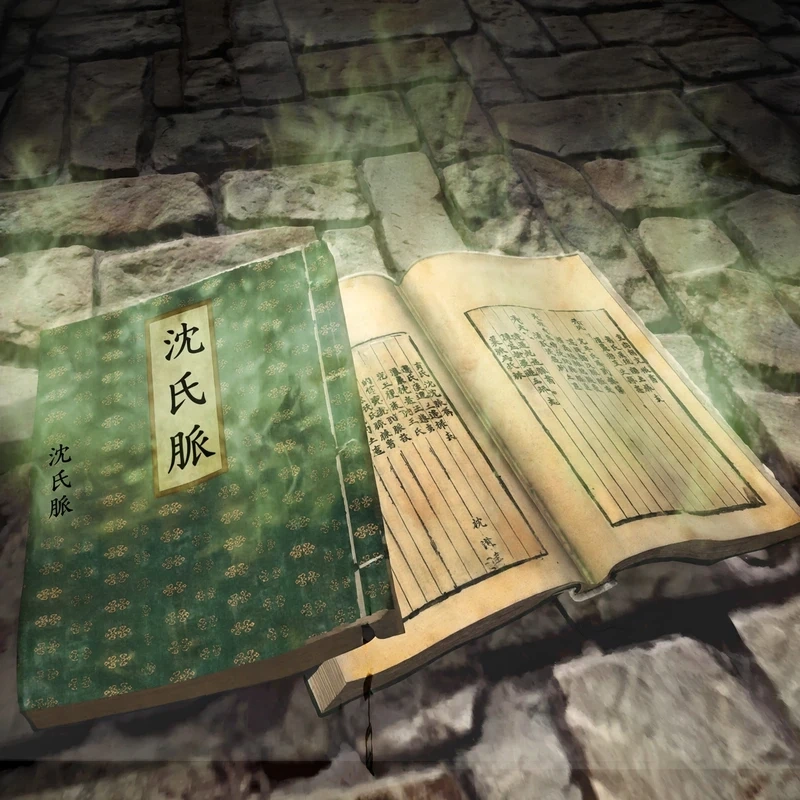
The Diplomatic and Historical Critique: Treatise on the Nine States
The Prophetic Political Masterwork of Shu Han Grand Scholar Qiao Zhou
As the long, grueling wars of the Three Kingdoms dragged into their twilight decades, the economic and human toll upon the smaller frontier states grew catastrophic. Confronting the unceasing, exhausting northern military expeditions of General Jiang Wei, the paramount Confucian master, astrologer, and grand historian of Shu Han, Qiao Zhou (谯周, Tiêu Chu / courtesy name: Yunnan, 允南), authored one of the most famous historical and strategic treatises of late antiquity: the Treatise on the Nine States (九国论, Jiǔ Guó Lùn, Cửu Quốc Luận / traditionally studied alongside his celebrated Chou Guo Lun / 仇国论, “Discourse on Enemy States”).
“When a small state continually exhausts its people in aggressive warfare, it courts inevitable collapse; true wisdom lies in securing internal virtue, nurturing agriculture, and awaiting the natural shifting of cosmic fortunes.”
(以小敌大,利在守疆;穷兵黩武,邦国自残, Yǐ xiǎo dí dà, lì zài shǒujiāng; qióngbīng dúwǔ, bāngguó zì cán)
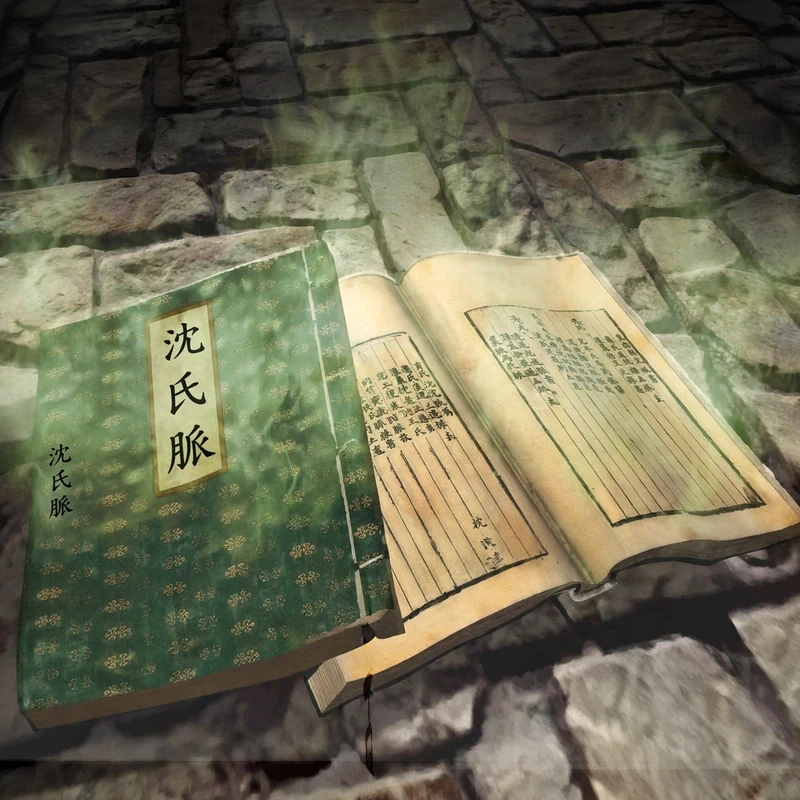
Treatise on the Nine States (九国论, Jiu Guo Lun) — Qiao Zhou’s Incisive Historical Critique on Strategic Overreach and State Survival
Analyzing the historical rise, diplomatic maneuverings, and tragic ruin of ancient warring states, Qiao Zhou’s treatise served as an urgent, prophetic plea to Emperor Liu Shan to halt strategic overextension before Shu Han’s agrarian foundation collapsed entirely under the weight of perpetual warfare.


1. Etymology and Historical Background
The title Jiǔ Guó Lùn reflects the deep classical methodology of drawing geopolitical lessons from ancient history:
- Jiǔ Guó (九国): Translates to “The Nine States.” Refers to the major competing regional powers of the late Spring and Autumn and Warring States eras (such as Qin, Chu, Qi, Yan, Han, Zhao, Wei, Wu, and Yue). By studying how weaker states successfully survived against dominant hegemons—or foolishly invited their own destruction through bellicose aggression—Qiao Zhou provided a direct mirror for Shu Han’s struggle against the colossal empire of Cao Wei.
- Lùn (论): A rigorous, comparative political critique and policy treatise.
- The Parallel Masterpiece (Chou Guo Lun / 仇国论): In 257 AD, Qiao Zhou presented his companion dialogue between two hypothetical nations: “Zhaoxian” (State of Sincere Virtue / symbolizing Shu) and “Fajia” (State of Aggressive Conquerors / symbolizing Wei). He boldly concluded that a territory possessing only one-sixth of the enemy’s population cannot win through continuous attrition warfare.
2. Core Strategic Philosophy of the Treatise
Qiao Zhou’s political critique was grounded in hard-nosed economic reality and Confucian humanitarian ethics:
- Condemnation of “Exhausting the Military” (Qióng Bīng Dú Wǔ / 穷兵黩武): Argued that launching dozens of campaigns across rugged mountain passes without decisive breakthroughs depleted granaries, impoverished peasant households, and sapped army morale.
- The Principle of Strategic Defense: Posited that King Wen of Zhou patiently nurtured his home territories until the tyrannical Shang collapsed from internal corruption. Shu Han should mirror this virtue by fortifying its mountain passes, encouraging trade, and awaiting political crises within Cao Wei.
- Reconciliation with Fate: Acknowledged that territorial size and demographics were natural constraints; wisdom demanded state survival rather than reckless romantic martyrdom.
3. Historical Controversy and Lasting Significance
Qiao Zhou and his writings remain among the most fiercely debated figures in Three Kingdoms history:
- The Surrender of Chengdu (263 AD): When Deng Ai’s miraculous mountain march bypassed the main defenses and appeared outside the walls of Chengdu, it was Qiao Zhou who firmly persuaded Emperor Liu Shan to surrender unconditionally, successfully sparing the city and its hundreds of thousands of inhabitants from slaughter and sack.
- The Scholar of Shu: As the mentor of grand historian Chen Shou (the author of the Records of the Three Kingdoms), Qiao Zhou’s rigorous methodology, extensive library collections, and objective historical analysis directly laid the groundwork for the surviving history of the era.
- Historical Legacy: While traditional romanticists criticize Qiao Zhou for lacking fighting spirit, modern military analysts praise his treatises for articulating early principles of demographic balance, asymmetric warfare limits, and total economic sustainability.
Summary of Profile Details
| Aspect | Historical, Strategic & Textual Details |
| Chinese Name | 九国论 (Jiǔ Guó Lùn) / 仇国论 (Chóu Guó Lùn) |
| Vietnamese Name | Cửu Quốc Luận / Cừu Quốc Luận |
| English Names | Treatise on the Nine States / Discourse on Competing Realms / Qiao Zhou’s Critique |
| Primary Author | Qiao Zhou (谯周 / courtesy name: Yunnan, 允南) |
| Scholarly Category | Historical Comparative Political Science / Anti-Attrition War Memorial |
| Dynastic Affiliation | Shu Han (State of Shu / Yi Province) |
| Target Audience | Emperor Liu Shan (刘禅) and the Shu Han Grand Council |
| Core Axiom | “A small realm confronting a giant adversary thrives solely through defensive patience and internal virtue.” |
| Core Symbolism | Strategic Realism, Demographic Prudence, Historical Foresight, Civil Preservation |
Historical Reality vs. Literary Depiction
- The Voice of the Local Gentry: Qiao Zhou represented the indigenous Sichuanese elite who bore the heavy tax burdens of Jiang Wei’s campaigns without receiving military honors, giving voice to a widespread desire for regional peace.
- Intellectual Lineage: Through Chen Shou, Qiao Zhou’s profound understanding of institutional rise and fall became the intellectual backbone that preserved the history of Wei, Shu, and Wu for future generations.
For detailed historical records, archives, and official chronicles, explore Qiao Zhou on Wikipedia.
COMMENTS (0)