

| NAME | |
|---|---|
| Chinese Name | 于吉, 于吉, Yú Jí |
| Nickname | Vu Cát Tiên Sinh |
| Other name | Vu Cát, Can Cát |
| INFORMATION | |
| Birth Place | Langya Commandery (琅邪郡; quận Lang Nha) |
| Died | 200 |
| Death Reason | Executed and beheaded by Sun Ce (孙策, Tôn Sách) |
| CAREER | |
| Allegiance | None (independent Taoist priest) |
| Battles | None (religious / political conflict with Sun Ce) |
Biography & Historical Record
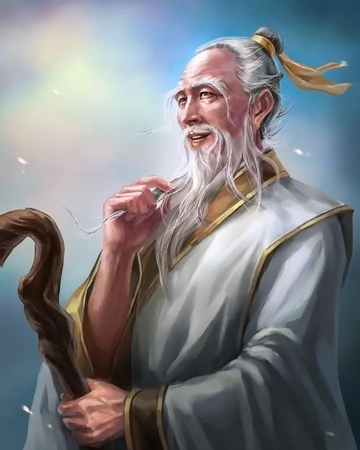
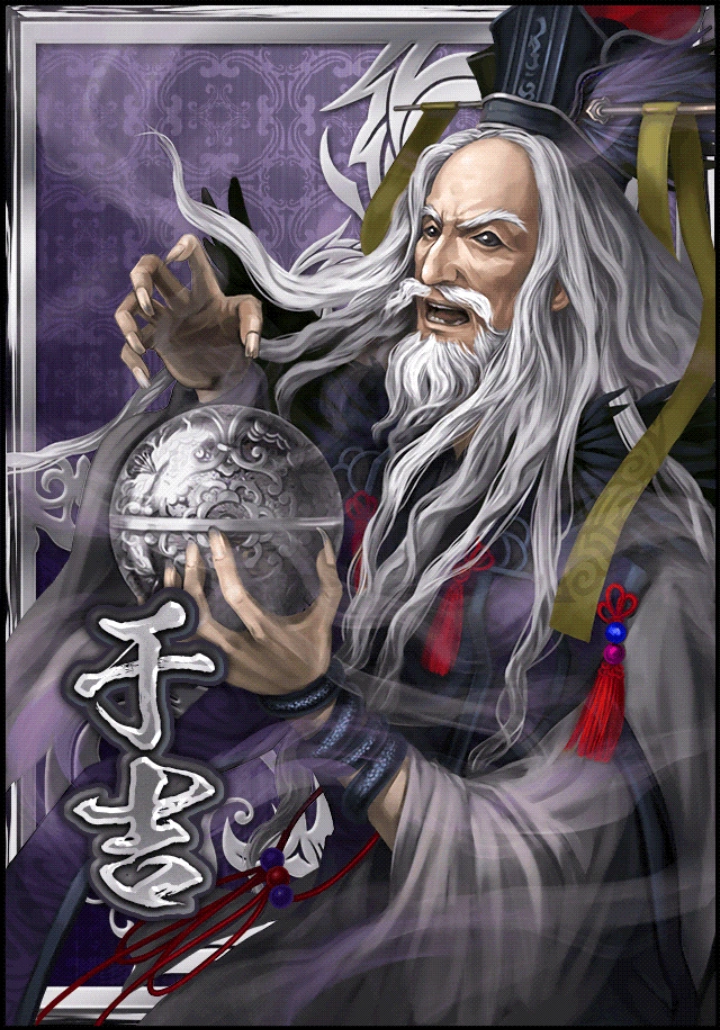
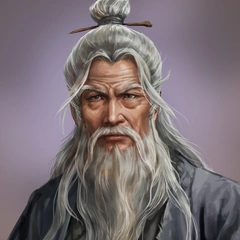
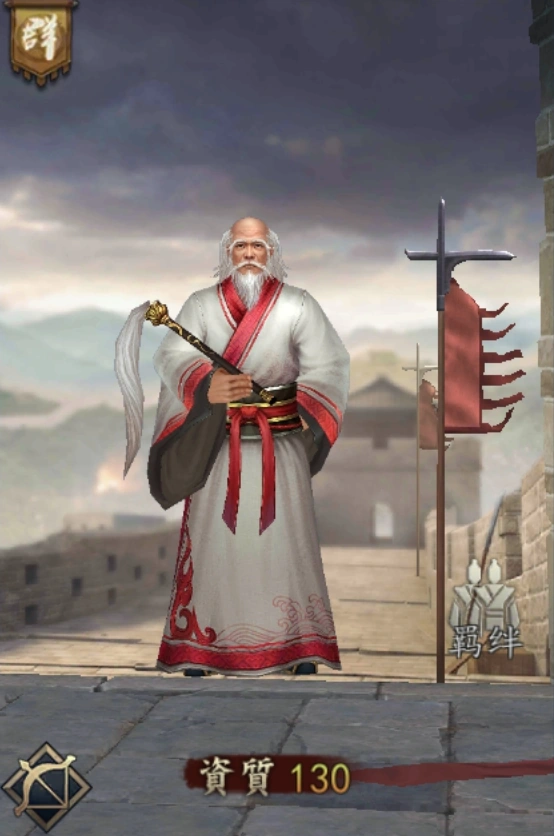
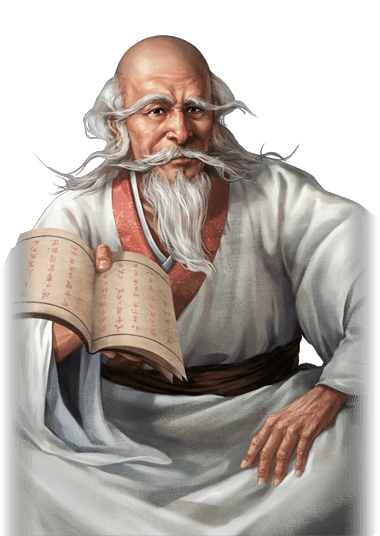
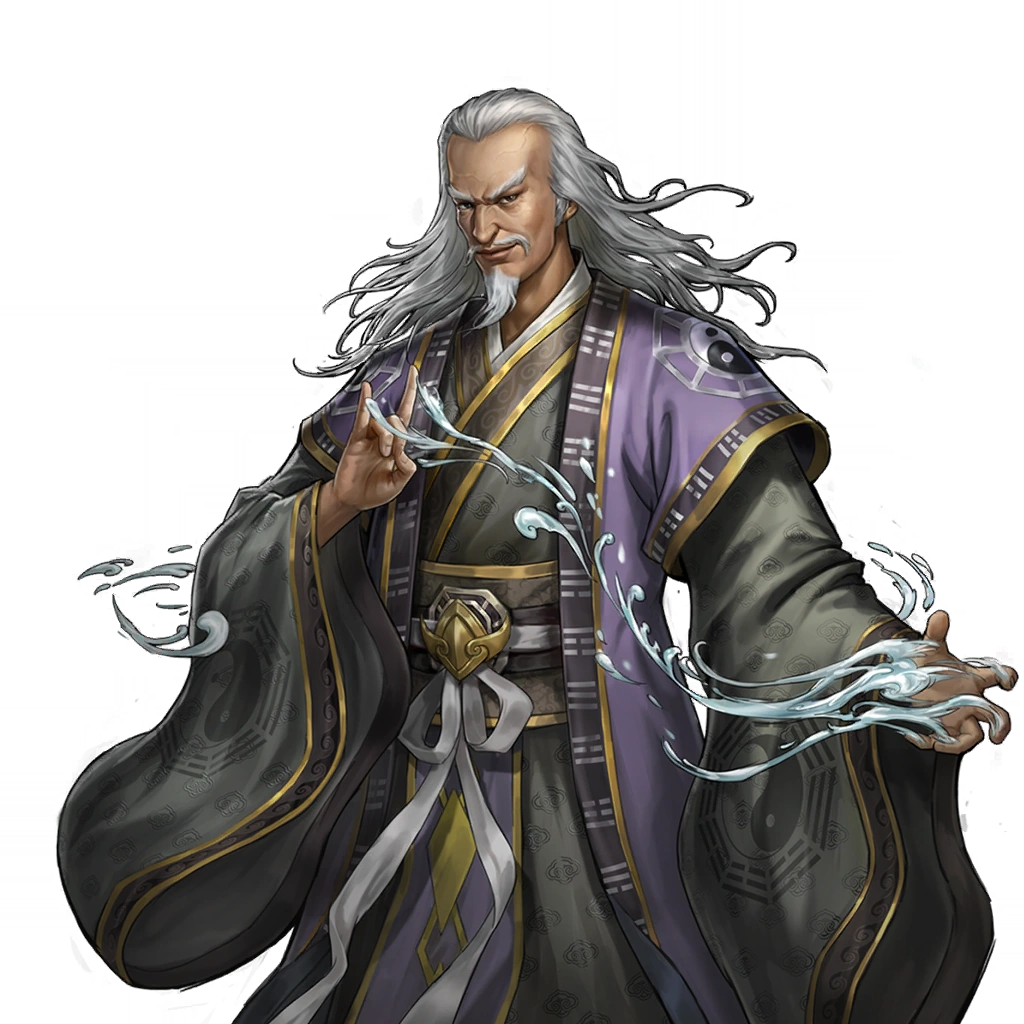
Gan Ji (于吉, Vu Cát) was a prominent Daoist practitioner and healer during the late Eastern Han Dynasty. Historical records from the Records of the Three Kingdoms (Sanguozhi) describe him as a charismatic figure who roamed the Jiangdong region, performing miracles and curing the sick using charms and water. He garnered an immense following among the common people, which eventually drew the ire of the regional warlord Sun Ce (孫策, Tôn Sách). Sun Ce perceived Gan Ji’s influence as a threat to his authority, fearing that his soldiers and officials would become more loyal to the ‘sorcerer’ than to their commander. Despite pleas from his advisors to show leniency, Sun Ce ordered the execution of Gan Ji. Following his death, historical accounts and local folklore claim that Sun Ce was haunted by Gan Ji’s spirit, leading to his eventual death.
Role in Romance of the Three Kingdoms
“The Taoist is no charlatan; he is a being of higher order who has come to save the world from suffering. To kill him is to invite the wrath of the heavens.”
In Luo Guanzhong’s Romance of the Three Kingdoms, Gan Ji is portrayed as a supernatural entity rather than just a healer. He appears to Sun Ce as a mysterious, ethereal figure. The novel dramatizes the conflict between the two, emphasizing Sun Ce’s arrogance and lack of faith. Gan Ji is shown performing miracles, such as bringing rain during a severe drought to save the people of Jiangdong. The narrative focuses on the supernatural aftermath of his execution, where the vengeful spirit of Gan Ji constantly haunts Sun Ce, manifesting in reflections and nightmares, which eventually drive the young warlord to his own tragic end.
Gan Ji — Historical & Literary Timeline
The Confrontation and Execution
Gan Ji is captured by Sun Ce (孫策, Tôn Sách) in Wu. Despite the intervention of civil and military officials who warn against killing a man with such a vast following, Sun Ce executes him. The event marks the onset of Sun Ce’s mental decline and eventual death.
For detailed historical records, archives, and official chronicles, explore Yu Ji, Gan Ji on Wikipedia.
Key Relationships
Family
- No information
Friends
- No information
Enemies
- Sun Ce (孙策, Tôn Sách): The regional warlord of Jiangdong who viewed Gan Ji’s massive religious influence as a direct threat to his authority. Despite widespread pleas for leniency from his officers and mother, Sun Ce ordered Gan Ji’s execution in 200 AD. Both historical folklore and romance accounts state that Gan Ji’s vengeful spirit haunted Sun Ce afterward, directly causing his mental decline and sudden death.
Other
- Sun Quan (孙权, Tôn Quyền): The younger brother of Sun Ce, who witnessed the supernatural turmoil and political aftermath surrounding Gan Ji’s execution, ultimately inheriting leadership of the Sun clan after Sun Ce’s death.
In Novel
Chapter 29
- Gan Ji (于吉, Vu Cát): Daoist master and immortal from Langya who distributed talismanic water to heal commoners across Jiangdong; condemned as a sorcerer and executed by Sun Ce (孙策, Tôn Sách), Gan Ji's apparition haunted Sun Ce relentlessly, provoking Sun Ce's fatal collapse from his wounds.
In History
Period I
- Gan Ji (于吉, Vu Cát, Can Cát) is a historical religious figure whose name is written 于吉 in the supplied Diaochan data. He was a Daoist religious practitioner associated with the lower Yangtze region and became known for healing and religious activities. The name Gan Ji should therefore not be confused with a separate historical person under the Chinese name 于吉.
Year: 200 AD
- Gan Ji (于吉, Vu Cát, Can Cát) became associated with the court and followers of Sun Ce (孙策, Tôn Sách) in later accounts. Sun Ce regarded his religious influence with suspicion and had him executed. The historical tradition is uncertain in detail, and later literature greatly expanded the supernatural aspects of the story.
Historical Status
- Gan Ji (于吉, Vu Cát, Can Cát) should be treated as a historical/religious figure, not as a purely fictional creation of Luo Guanzhong. The supernatural episodes associated with him in Romance of the Three Kingdoms are literary elaborations and should not be presented as established historical facts.
Gallery






COMMENTS (0)