
Discourse on Gaming
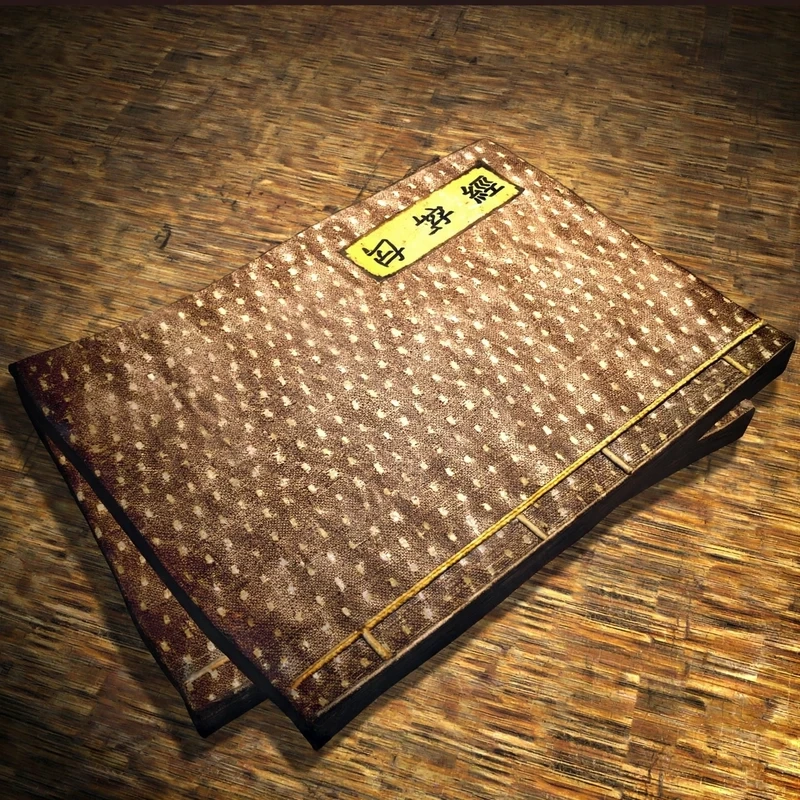
The Moral Polemic: Wei Zhao’s Discourse on Gaming (Bo Yao Lun)
The Celebrated Treatise Against Gambling, Idleness, and Aristocratic Decay in Eastern Wu
In the vibrant, affluent southern empire of Eastern Wu, decades of commercial prosperity and stable river defenses fostered a decadent subculture among young aristocratic scions and military cadets: an obsessive addiction to board games, dice, and gambling (博弈, Bóyì). Recognizing that state survival against Cao Wei required rigorous military readiness and unyielding civic discipline, Wei Zhao (韦昭, Vi Diệu / courtesy name: Hongsi, 弘嗣)—the grand court historian of Wu and author of the official Book of Wu (吴书)—composed one of the most celebrated moral and political polemics in Chinese history: the Discourse on Gaming (博弈论, Bóyì Lùn / also historically known as Bác Yêu Luận, 博妖论).
“Time is the treasure of the realm, and youthful vigor passes like water flowing eastward to the sea; yet men squander their days rolling dice and moving black-and-white stones, forgetting the state’s peril until the enemy’s war horns shake the capital.”
(志士惜日短,愁人知夜长;弃功业于棋局,忘忧患于六博, Zhìshì xī rì duǎn, chóurén zhī yè cháng; qì gōngyè yú qíjú, wàng yōuhuàn yú liùbó)
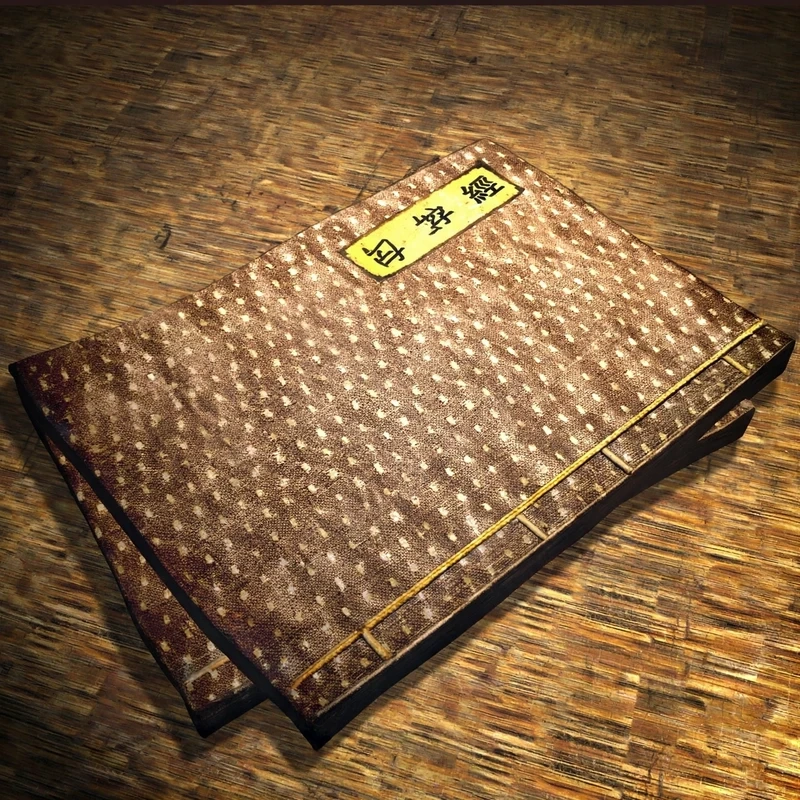
Discourse on Gaming (博弈论, Bo Yao Lun / Boyi Lun) — Wei Zhao’s Powerful Moral Critique Against Aristocratic Decay
Circulated widely among the generals, academies, and royal palaces of Jianye, the Discourse on Gaming summoned the youth of the south to abandon frivolous diversions, take up their bows and swords, and dedicate their intellect to statecraft, history, and military strategy.


1. Etymology and Social Context
The title Bóyì Lùn directly targets the epidemic of leisure games consuming the southern elite:
- Bó (博): Refers to Liubo (六博) and gambling dice games that involved high monetary wagers, drunken wagers, and contentious brawls.
- Yì (弈 / 妖): Refers to Weiqi (Go / 围棋). While Weiqi was a game of deep tactical strategy, young officers frequently spent endless days and nights absorbed over the board, neglecting border patrols, horse training, and scholarly examinations.
- Lùn (论): A fiery, persuasive essay crafted with razor-sharp rhetoric, classical citations, and vivid sociological satire.
2. Core Critiques of Aristocratic Decadence
Wei Zhao’s essay systematically dissected the destructive psychological and national consequences of game addiction:
- The Erosion of Martial Preparedness: Pointed out that while the northern generals drilled in heavy armor, southern youths were exhausting their wits on gridlines and wooden counters, losing their fighting edge and stamina.
- Economic and Clan Ruin: Wealthy lineages lost estates and family heirlooms over gaming tables, fostering bitter blood feuds between aristocratic houses that threatened court unity.
- The Call to National Service: Reminded the gentry of their debt to the Sun clan and the realm, urging them to study agriculture, flood control, martial strategy, and historical chronicles rather than seeking empty recreational victory.
3. Wei Zhao’s Immortal Moral Integrity
Wei Zhao’s uncompromising moral standards in the Discourse on Gaming mirrored his own tragic, heroic life:
- The Conscience of Wu: Appointed as the inaugural President of the Imperial Academy (Zhongshu Pu) and Grand Court Historian, Wei Zhao painstakingly compiled the true historical records of Eastern Wu across decades.
- Defiance of Tyranny: When the tyrannical last emperor of Wu, Sun Hao, demanded that Wei Zhao forge imperial historical records to flatter Sun Hao’s father (Sun He), Wei Zhao steadfastly refused to alter a single brushstroke of historical truth.
- Martyrdom for History (273 AD): Imprisoned and eventually executed for his unbending historical integrity, Wei Zhao died as he lived—a fearless champion of truth, duty, and incorruptible moral virtue.
Summary of Profile Details
| Aspect | Historical, Literary & Moral Details |
| Chinese Name | 博弈论 (Bóyì Lùn) / 博妖论 (Bóyāo Lùn) |
| Vietnamese Name | Bác Dịch Luận / Bác Yêu Luận |
| English Names | Discourse on Gaming / Essay on Gambling and Board Games / Bo Yao Lun |
| Primary Author & Historian | Wei Zhao (韦昭 / courtesy name: Hongsi, 弘嗣) |
| Textual Category | Moral Polemic / Social Critique / Statecraft Essay |
| Era of Composition | Mid-Third Century Eastern Wu (reigns of Sun Quan and Sun Xiu) |
| Core Axiom | “Devote precious youth to statecraft, history, and martial duty rather than squandering days over dice and gridlines.” |
| Historic Significance | One of the earliest and most celebrated anti-gambling and civic responsibility treatises in Chinese literature |
| Core Symbolism | Civic Vigilance, Incorruptible Integrity, Martial Discipline, Historical Truth |
Historical Legacy
- Anthologized in the Wen Xuan: Centuries later, Crown Prince Xiao Tong selected Wei Zhao’s Discourse on Gaming for inclusion in the immortal literary anthology Wen Xuan (Selections of Refined Literature), preserving it as a supreme model of classical argumentation.
- An Eternal Warning: Wei Zhao’s timeless critique against distraction and moral laxity continues to be studied as an enduring call for cultural vigilance during times of national peril.
For detailed historical records, archives, and official chronicles, explore Wei Zhao on Wikipedia.
COMMENTS (0)