
Collected Explanations of the Analects
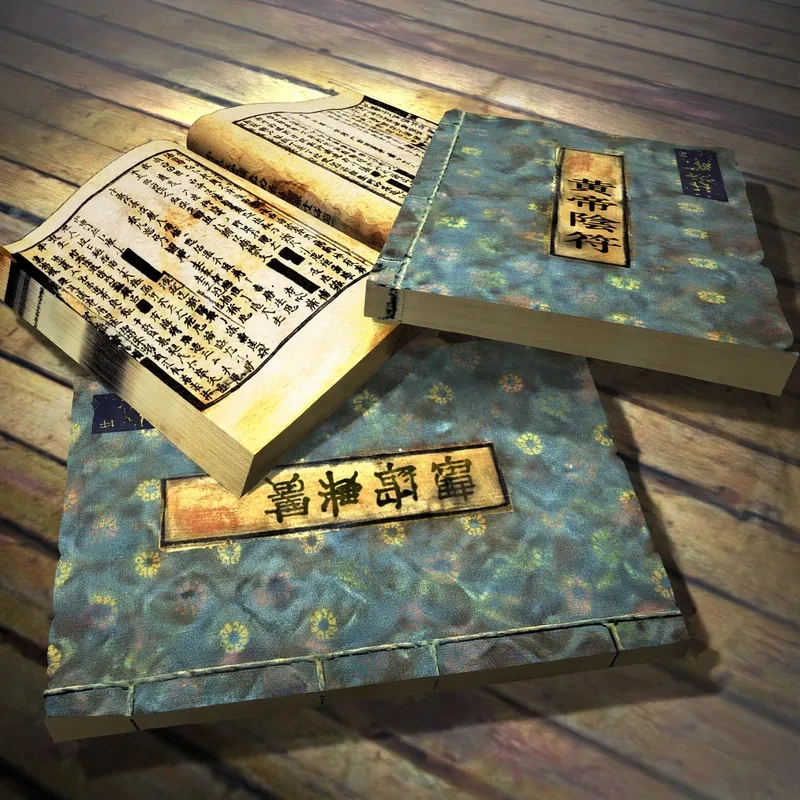
The Definitive Classical Synthesis: The Collected Explanations of the Analects
The Masterwork of Neo-Daoist Philosophy and Confucian Exegesis by He Yan
During the Zhengshi era (正始, 240–249 AD) of Cao Wei, Chinese intellectual history witnessed one of its most transformative philosophical renaissances: the emergence of “Dark Learning” or Neo-Daoism (玄学, Xuánxué). Standing at the epicenter of this metaphysical movement was He Yan (何晏, Hà Yến / courtesy name: Pingshu, 平叔), a distinguished Wei minister, brilliant scholar, and foster son of Cao Cao. Leading a circle of eminent classical scholars, He Yan compiled the definitive intellectual monument of the era: the Collected Explanations of the Analects (论语集解, Lúnyǔ Jíjiě, Luận Ngữ Tập Giải).
“The Master’s virtue is profound and boundless like the vast firmament; his spoken teachings provide guidance for all generations, harmonizing moral duty with the mystery of the Dao.”
(圣人无名,以道化邦;集先儒之奥旨,启万世之明德, Shèngrén wúmíng, yǐ dào huà bāng; jí xiānrú zhī àozhǐ, qǐ wànshì zhī míngdé)
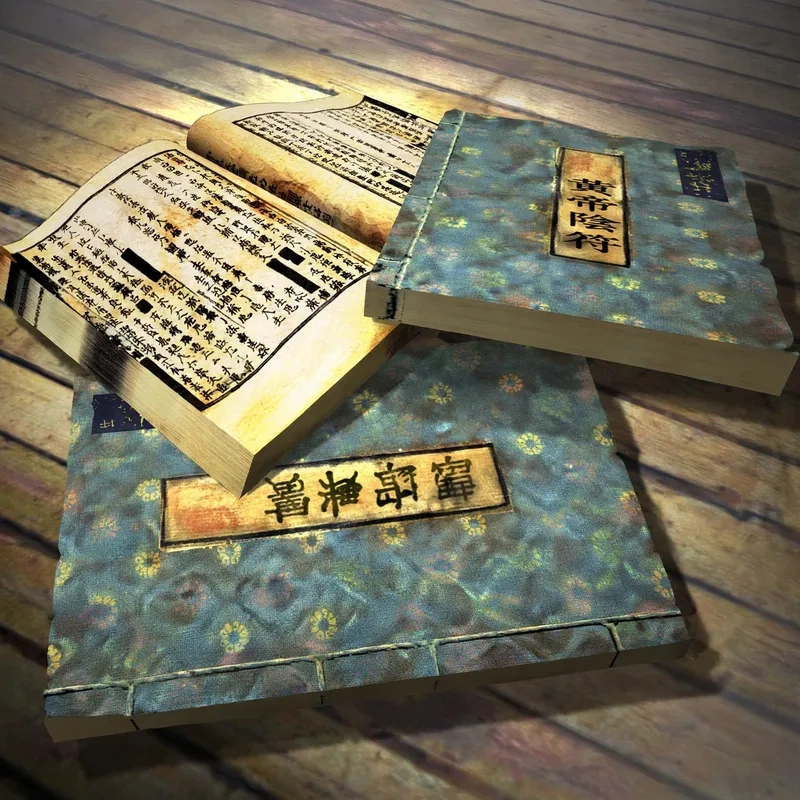
Collected Explanations of the Analects (论语集解, Lunyu Jijie) — The Landmark Ten-Volume Exegesis Compiled by He Yan
Comprising ten monumental scrolls, the Lunyu Jijie fundamentally revolutionized how Confucius’s words were understood, preserving the finest commentaries of the late Han masters while infusing them with the subtle ontological depths of the Daodejing and the Book of Changes.


1. Etymology and Intellectual Significance
The title Lúnyǔ Jíjiě defines the work’s encyclopedic mission to harmonize divergent classical interpretations:
- Lún Yǔ (论语): Refers to the Analects of Confucius, the sacred collection of sayings and historical dialogues of Confucius (Kongzi) and his disciples, revered as the bedrock of moral governance.
- Jí (集): Translates to “Collected,” “Synthesized,” or “Assembled.” He Yan systematically gathered the commentaries of the foremost Confucian exegetes from the Western and Eastern Han dynasties—including Kong Anguo, Bao Xian, Zhou Bo, Ma Rong, and Zheng Xuan.
- Jiě (解): Translates to “Explanations,” “Interpretations,” or “Commentaries.” Rather than merely repeating older glosses, He Yan added original insights under the title He Shi Yue (何氏曰 / “He Yan says”), reconciling rigid Han rituals with free metaphysical exploration.
2. Philosophical Breakthrough: Harmonizing Confucius and Laozi
The Collected Explanations of the Analects represented a profound intellectual departure from the scholastic pedantry of the late Han dynasty:
- The Concept of Non-Being (Běn Wú / 本无): He Yan posited that ultimate reality is rooted in “Original Non-Being” (Wu). A sage ruler embodies this virtue through non-contention (Wuwei), governing with natural harmony rather than excessive legal coercion.
- The Sage Has No Emotions (Shèngrén Wú Qíng): He Yan famously argued that the ultimate sage, like Confucius, transcends petty worldly passions, keeping his inner spirit serene and unperturbed amidst chaotic court politics.
- Clarity and Elegance: By pruning away obscure mythological superstitions (Weishu) that had plagued late Han Confucianism, He Yan restored a lucid, philosophical elegance to the classical texts.
3. Preservation and Monumental Influence Across Dynasties
Despite He Yan’s tragic execution following the Gaoping Tombs Incident (249 AD) orchestrated by Sima Yi (司马懿, Tư Mã Ý), the immense scholarly brilliance of the Lunyu Jijie could not be suppressed:
- The Standard National Textbook: During the Western Jin, Eastern Jin, and Southern and Northern dynasties, the Lunyu Jijie became the officially designated, mandatory curriculum taught at the Imperial University (Guozijian) and royal academies.
- Surviving Transmission: While hundreds of contemporary Three Kingdoms texts vanished in wars, the Collected Explanations survived intact and was later incorporated into the celebrated Thirteen Classics with Commentaries and Subcommentaries (十三经注疏).
- East Asian Reach: The work was among the earliest Chinese philosophical texts carried across the sea to Japan and Korea, profoundly shaping early Japanese Confucian studies during the Asuka and Nara periods.
Summary of Profile Details
| Aspect | Historical, Philosophical & Scholarly Details |
| Chinese Name | 论语集解 (Lúnyǔ Jíjiě) |
| Vietnamese Name | Luận Ngữ Tập Giải |
| English Names | Collected Explanations of the Analects / Collected Annotations on the Analects |
| Primary Compiler & Scholar | He Yan (何晏 / courtesy name: Pingshu, 平叔) and Cao Wei scholars |
| Scholarly Category | Confucian-Daoist Synthetic Exegesis / Xuanxue (Dark Learning) Canon |
| Volume Structure | Ten Scrolls (10 Juan / 卷), encompassing all 20 chapters of the Analects |
| Key Commentators Included | Kong Anguo, Bao Xian, Ma Rong, Zheng Xuan, Zhou Bo, and He Yan |
| Historical Impact | Standard official commentary on the Analects for over eight centuries until Zhu Xi’s Song synthesis |
| Core Symbolism | Philosophical Synthesis, Neo-Daoist Metaphysics, Immortal Classical Erudition |
Historical Reality vs. Popular Image
- The Two Faces of He Yan: Popular culture and Luo Guanzhong’s novel often depict He Yan unfavorably as an effeminate, powder-wearing aristocrat allied with the ill-fated regent Cao Shuang. In historical reality, however, modern sinologists celebrate He Yan as one of the sharpest and most innovative philosophical minds of early medieval China.
- Unshakable Intellectual Integrity: Even his bitter political adversaries, the Sima family, recognized the peerless academic value of the Lunyu Jijie, maintaining it as the imperial standard of the realm.
For detailed historical records, archives, and official chronicles, explore He Yan on Wikipedia.
COMMENTS (0)